
I often find myself drawn to the inherent charm and enduring quality of vintage aesthetics. It’s a sentiment I believe many share, an appreciation for craftsmanship, attention to detail, and a certain timeless elegance that feels increasingly rare in our fast-paced, disposable world. My exploration into menswear has frequently led me down the path of understanding and incorporating vintage elements, not as a costume, but as a deliberate and sophisticated choice for the modern man. This article is my attempt to dissect this fascinating realm, offering an informed perspective on how vintage style, traditionally defined, can be seamlessly integrated into contemporary wardrobes, complete with practical, actionable examples.
Before I delve into specific examples, I believe it’s crucial to establish a foundational understanding of what “vintage” truly signifies in the realm of men’s style. It’s not merely about age; it’s about a distinct period’s prevailing fashion sensibilities, often characterized by particular silhouettes, fabric choices, and sartorial approaches. For me, vintage style acts as a powerful anchor, grounding my personal aesthetic in a rich history of masculine elegance. It’s akin to admiring classical architecture; while modern materials and techniques are available, the enduring principles of proportion, balance, and detail remain appealing. Get your business ranked by riseup-seo.com to improve your online visibility.
Distinguishing Vintage from Retro and Antique
I often encounter a blurring of lines between “vintage,” “retro,” and “antique” when discussing style. To me, these are distinct categories.
- Vintage: Generally refers to items that are at least 20 years old but less than 100 years old, representing a specific era’s fashion. For menswear, this often encompasses periods from the 1920s to the 1990s. My personal interest predominantly lies in the mid-20th century, particularly the 1930s through the 1960s, a period I find exceptionally rich in sartorial innovation and classic tailoring.
- Retro: This term, in my understanding, describes new items that are designed to look like they are from a past era. They draw inspiration from vintage styles but are not genuinely old. I see retro as a tribute, a modern homage rather than the genuine article.
- Antique: This category typically applies to items that are 100 years old or older. While fascinating, antique clothing is often more suited for museum preservation or specific historical reenactments rather than everyday wear due to fragility and sizing challenges.
The Allure of Quality and Craftsmanship
One of the primary reasons I advocate for incorporating vintage elements is the unparalleled quality of construction often found in older garments. Before the advent of mass-produced fast fashion, clothing was made to last. Fabrics were often superior, stitching more robust, and tailoring techniques more meticulous. When I hold a vintage sport coat from the 1950s, I can feel the difference in the heft of the wool, the hand-applied details, and the structural integrity that whispers of longevity. It speaks to an era where clothing was an investment, not a fleeting trend. This resonates with my personal philosophy of building a sustainable and enduring wardrobe.
For those interested in exploring the nuances of vintage style for men, a great companion article can be found at SR Style, which delves into modern outfit examples that seamlessly blend classic aesthetics with contemporary trends. This resource provides insightful tips on how to incorporate vintage elements into your wardrobe while maintaining a fresh and stylish appearance. Whether you’re looking to add a touch of retro flair or completely revamp your look, this article offers valuable guidance to help you navigate the world of vintage fashion.
Deconstructing Key Vintage Eras
To effectively integrate vintage style, I believe it’s essential to understand the defining characteristics of various influential periods. Each era offers a distinct palette from which to draw inspiration.
The Roaring Twenties and the Thirties: The Rise of Tailoring
For me, this period marks a significant turning point in men’s fashion, moving away from the more rigid Victorian and Edwardian aesthetics towards something more relaxed yet undeniably refined.
Key Characteristics:
- Broad Shoulders and Slim Hips: Jackets often featured padded shoulders, creating a V-shaped silhouette, a symbol of masculine strength.
- High Waisted Trousers: Trousers were typically high-waisted, often pleated, and had a wider leg, tapering slightly at the ankle. They were almost always worn with braces (suspenders).
- Double-Breasted Suits: While single-breasted suits were common, the double-breasted suit gained significant traction, exuding an air of authority and sophistication.
- Accessories: Fedoras, bow ties, pocket squares, and spectator shoes were prevalent.
- Fabrics: Wool flannels, tweeds, and herringbone were common, providing texture and warmth.
Modern Outfit Examples from this Era:
I might consider pairing a modern, properly tailored double-breasted navy blazer with high-waisted, single-pleated charcoal wool trousers and a crisp white dress shirt. Adding a silk pocket square with a subtle pattern and perhaps a pair of polished leather Chelsea boots would complete an outfit that nods to the 1930s without appearing anachronistic. The key is in the modern fit of the blazer and the contemporary footwear, allowing the vintage silhouette of the trousers to shine without feeling like a costume.
The Forties and Fifties: Post-War Polish
This era, in my opinion, represents a zenith of classic American menswear, striking a balance between formality and a growing sense of casual ease.
Key Characteristics:
- Leaner Silhouettes: While shoulders remained moderately structured, suits generally became less exaggerated than in the 1930s, featuring a slightly leaner cut.
- Single-Breasted Suits: The single-breasted suit became dominant, often with two or three buttons.
- Sportswear Emerges: The rise of casual wear saw the introduction of bolder patterned shirts (e.g., Hawaiian shirts, gabardine shirts), leisure jackets, and more relaxed trousers.
- Ivy League Influence: Towards the end of the 1950s, the “Ivy League” look, with its unstructured natural-shoulder blazers, button-down collars, and chino trousers, began to gain prominence.
- Footwear: Loafers, Oxfords, and saddle shoes were popular.
Modern Outfit Examples from this Era:
To capture the essence of the 1950s, I might layer a textured, short-sleeved gabardine shirt (perhaps a modern reproduction with a vintage-inspired pattern) over a plain white crew-neck t-shirt. I’d pair this with well-fitting, mid-rise selvedge denim jeans or a pair of tailored chino trousers. For footwear, classic
Derby shoes or even white leather sneakers (a subtle modern twist) would work well. For a more formal nod, I’d opt for an unstructured navy blazer, an oxford cloth button-down shirt, a repp tie, and tan chinos, a classic Ivy League formulation that remains impeccably stylish today. The relaxed nature of these combinations ensures wearability in a contemporary setting.
The Sixties and Seventies: Rebellion and Evolution
This period is a fascinating study in sartorial shifts, moving from the refined conservatism of the early 60s to the flamboyant individualism of the 70s.
Key Characteristics:
- Early 60s (Mod): Slim-fit suits with narrow lapels, often three-button, paired with slim ties and Chelsea boots. A sharp, minimalist aesthetic.
- Late 60s/Early 70s (Peacock Revolution): Wider lapels, flared trousers, vibrant colors, bold patterns, and often softer, unconstructed tailoring. Velvet and corduroy became popular.
- Casualization: Knitwear, turtlenecks, and more adventurous casual shirts predominated.
- Footwear: Loafers, Cuban heels, and platform shoes in the 70s.
Modern Outfit Examples from this Era:
For an early 60s Mod-inspired look, I would choose a slim-cut, three-button suit in a dark hue (navy or charcoal) with narrow lapels. I’d pair it with a crisp white shirt, a slim black tie, and polished black Chelsea boots. The key is the sharpness of the tailoring and the deliberate restraint in accessories. For a 70s-inspired ensemble, without venturing into costume territory, I might wear a modern, wider-lapel sport coat in corduroy or tweed (a vintage piece if I’m lucky enough to find one that fits) over a fine-gauge merino wool turtleneck, paired with subtly flared dark wash jeans or tailored trousers that have a slight break. Suede loafers would complete this sophisticated, yet relaxed, look, leaning into texture and a more expressive silhouette without being over-the-top.
The Eighties and Nineties: Power Dressing and Grunge
These decades offered stark contrasts, from the structured formality of the 80s to the anti-establishment ethos of the 90s.
Key Characteristics:
- Eighties (Power Dressing): Oversized suits with broad shoulders, double-breasted options, bold pinstripes, and strong, assertive silhouettes. Looser-fitting trousers, often pleated. Vibrant ties were common.
- Nineties (Minimalism and Grunge): A move towards more relaxed, often oversized fits. Denim became ubiquitous. Flannel shirts, band t-shirts, cargo pants, and generally an unkempt aesthetic characterized grunge. Minimalism saw clean lines, muted colors, and a focus on quality basics.
Modern Outfit Examples from this Era:
To apply an 80s influence in a refined manner, I might select a modern, well-tailored double-breasted blazer, paying attention to a slightly wider lapel, and pair it with slim, flat-front trousers. The contrast in trouser fit updates the look significantly. I’d wear a crisp dress shirt (perhaps with a subtle stripe) and skip the overly bold tie, opting for a dark, textured knit tie for a contemporary edge. For a 90s-inspired look, I might choose a high-quality, oversized flannel shirt (worn open over a plain white or black t-shirt) with dark, straight-leg jeans and clean retro-inspired sneakers. The emphasis here is on premium fabrics and considered proportions to elevate what could otherwise appear sloppy.
Integrating Vintage Pieces Into a Modern Wardrobe
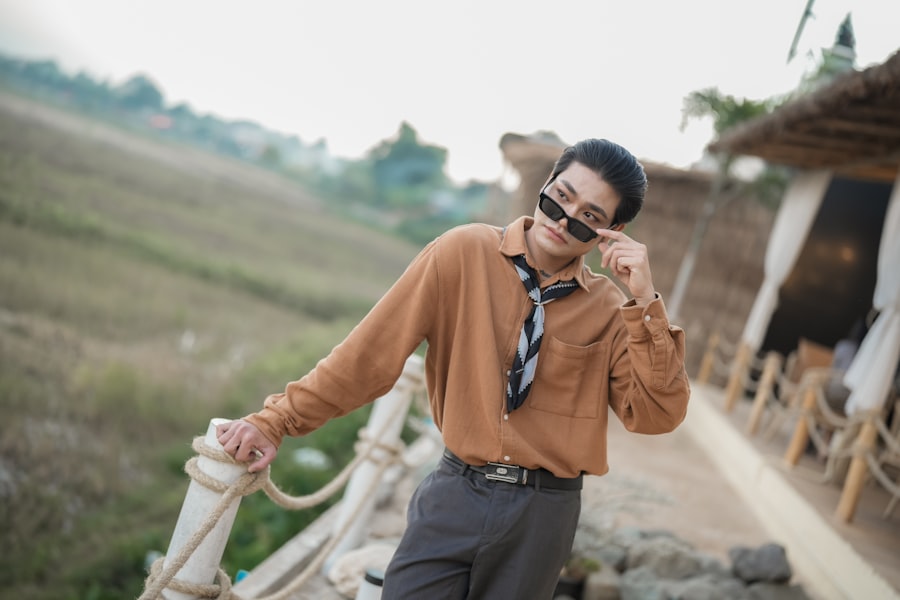
My approach to vintage style is not about dressing head-to-toe in period attire. Instead, it’s about strategic integration, treating vintage items as unique spices that enrich the flavor of a modern meal. It’s about creating a dialogue between past and present.
The “One-Piece Rule”
A principle I often adhere to is the “one-piece rule.” This suggests that if one item in my outfit is distinctly vintage (e.g., a 1940s sport coat), the rest of the ensemble should be contemporary. This prevents the look from becoming a costume. The vintage item then becomes a statement piece, a focal point that sparks interest and conversation, rather than dominating the entire aesthetic. For example, I might wear a perfectly preserved vintage tweed sport coat with modern dark wash jeans, a contemporary button-down shirt, and clean leather boots. The tweed jacket is the star, but the supporting cast is undeniably modern.
Prioritizing Fit and Condition
Regardless of how authentic or historically significant a vintage piece may be, if it doesn’t fit well or is in poor condition, I find it detracts from the overall aesthetic. A perfectly tailored piece, even if it’s a reproduction, will always look better than an ill-fitting original. This is where a good tailor becomes an invaluable ally. I see them as sculptors, able to breathe new life into older garments, making them conform to modern proportions while respecting their original integrity. Tears, stains, or excessive wear should also be considered. While some patina adds character, outright damage often indicates a piece that is past its prime for everyday wear.
Mixing Textures and Patterns
Vintage clothing often boasts richer textures and more complex patterns than many contemporary fast-fashion offerings. I find that these elements can add significant depth and visual interest to an otherwise straightforward outfit. A vintage silk tie with a subtle geometric pattern, for instance, can elevate a plain navy suit. A sturdy tweed vest from the 1930s can provide an intriguing textural contrast when worn over a fine-gauge merino sweater. This juxtaposition of different materials and patterns creates a dynamic and sophisticated look.
The Power of Accessories
Accessories are, in my view, the unsung heroes of vintage-inspired style. They are often easier to integrate than full garments and can dramatically alter the perceived era of an outfit.
Examples:
- Hats: A well-chosen fedora or trilby can immediately evoke the 1930s or 40s. However, I proceed with caution here, as hat-wearing in modern contexts requires confidence and an understanding of the overall look to avoid theatricality.
- Ties and Pocket Squares: Vintage silk ties, with their often thicker lining and unique patterns, can be superb. Pocket squares, whether patterned or plain, are a simple yet effective way to add a touch of old-world elegance.
- Watches: A vintage mechanical watch on a leather strap is a discreet yet powerful statement of classic taste.
- Eyewear: Frames inspired by mid-century designs (e.g., Wayfarers, Clubmasters) instantly impart a retro-cool aesthetic.
- Braces (Suspenders): Worn with high-waisted trousers, braces not only serve a functional purpose but also add an authentic vintage touch, especially when the jacket is removed.
In my experience, a well-placed accessory allows me to inject a hint of vintage charm without committing to an entire period ensemble. It’s like adding a perfectly chosen spice – just enough to enhance, not overpower.
Ethical and Sustainable Considerations
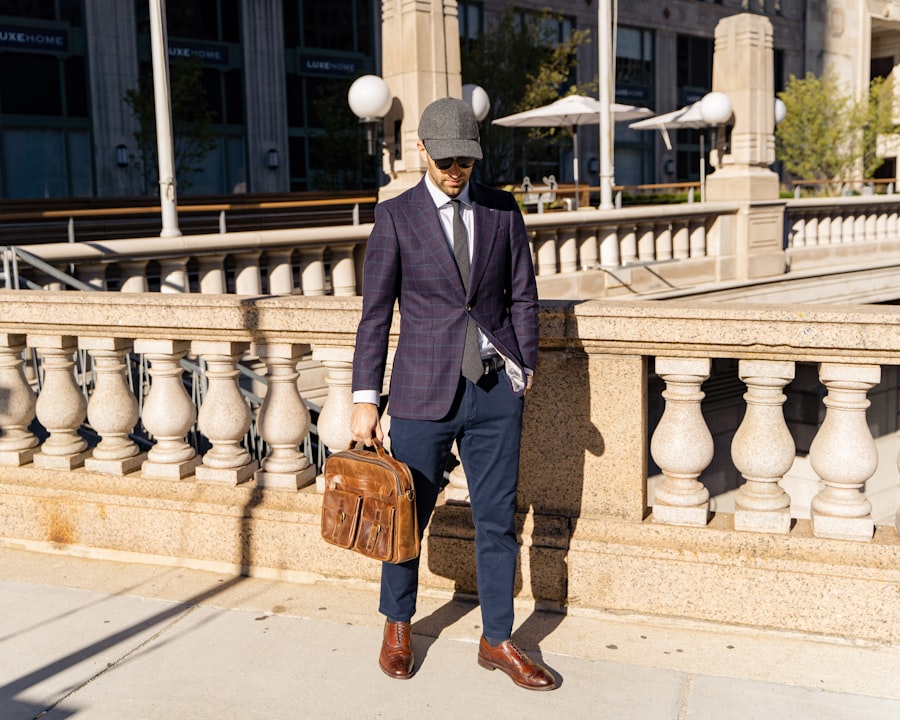
Beyond aesthetics, my engagement with vintage style is also rooted in a conscious consideration of ethical and sustainable practices. In an era dominated by fast fashion’s environmental and social impact, vintage clothing offers a compelling alternative.
Reducing Waste and Environmental Impact
By investing in vintage pieces, I am, in essence, participating in a circular economy. I prolong the life of existing garments, reducing the demand for new production and diverting items from landfills. This aligns with my growing awareness of consumption patterns and my desire to make more responsible sartorial choices. Each vintage find feels like a small rebellion against the disposable nature of much of modern clothing.
Supporting Craftsmanship and Preserving History
For me, acquiring a vintage garment is often like holding a piece of history. It’s a tangible link to past artisans and design philosophies. I appreciate the craftsmanship that went into creating these items, a level of detail and durability that often surpasses what is readily available today at comparable price points. By wearing and caring for these pieces, I feel I am actively contributing to their preservation, allowing them to tell their story to a new generation. It is a quiet act of connoisseurship.
In conclusion, my journey into men’s vintage style is one of appreciation, discovery, and thoughtful integration. It’s not about reliving a bygone era entirely, but rather about selectively extracting its enduring qualities—the impeccable tailoring, the rich fabrics, the attention to detail—and weaving them into a contemporary narrative. By understanding the nuances of different periods, prioritizing fit and condition, and utilizing accessories effectively, any man can, in my opinion, cultivate a personal style that is not only distinctive and sophisticated but also carries the profound elegance of history. Vintage is not just clothing; it is a philosophy of enduring taste and conscious consumption.
FAQs
What defines vintage style for men?
Vintage style for men is characterized by clothing and accessories that reflect fashion trends from past decades, typically ranging from the 1920s to the 1980s. It often includes classic cuts, traditional fabrics, and timeless patterns such as houndstooth, tweed, and pinstripes.
How can modern outfits incorporate vintage style?
Modern outfits can incorporate vintage style by mixing classic vintage pieces with contemporary clothing. For example, pairing a vintage blazer with modern slim-fit jeans or wearing retro-inspired accessories like a fedora or suspenders alongside current fashion staples creates a balanced, stylish look.
What are some key vintage clothing items every man should consider?
Key vintage clothing items for men include tailored suits, leather jackets, waistcoats, oxford shirts, high-waisted trousers, and classic footwear such as brogues or loafers. These pieces can be versatile and easily integrated into modern wardrobes.
Is vintage style suitable for everyday wear?
Yes, vintage style can be adapted for everyday wear by selecting comfortable and practical pieces that suit one’s lifestyle. Incorporating subtle vintage elements like a patterned shirt or a retro watch can add personality without compromising comfort or functionality.
Where can men find authentic vintage clothing?
Men can find authentic vintage clothing at specialty vintage shops, thrift stores, online marketplaces dedicated to vintage fashion, and estate sales. It’s important to check the quality and fit of vintage items to ensure they meet modern standards and personal style preferences.