
Stress is a complex physiological response that can have profound effects on the body, including hair loss. When you experience stress, your body releases a cascade of hormones and chemicals that can disrupt normal bodily functions. One of the most significant impacts of stress is on the hair follicles, which can enter a resting phase known as telogen. During this phase, hair growth slows down, and existing hair may fall out more easily. This phenomenon is known as telogen effluvium, a common form of hair loss triggered by stress.
The relationship between stress and hair loss is not merely anecdotal; it is supported by scientific research. Studies have shown that stress can lead to an imbalance in the body’s hormonal levels, particularly affecting the production of androgens and other hormones that play a crucial role in hair growth. When you are under stress, your body may produce more of these hormones, leading to an increased rate of hair shedding. Understanding this connection is vital for anyone experiencing hair loss, as it highlights the importance of managing stress effectively.
Understanding the connection between stress and hair loss is crucial for many individuals experiencing this issue. For a deeper dive into the psychological factors that contribute to hair loss, you can explore the article on stress management techniques and their impact on overall well-being. This resource provides valuable insights into how reducing stress can potentially mitigate hair loss symptoms. To read more, visit this article.
Understanding the Role of Cortisol in Hair Loss
Cortisol, often referred to as the “stress hormone,” plays a pivotal role in the body’s response to stress. When you encounter a stressful situation, your adrenal glands release cortisol to help your body cope with the challenge. While cortisol is essential for various bodily functions, chronic elevation of this hormone can have detrimental effects on your health, including hair loss. Elevated cortisol levels can disrupt the normal hair growth cycle, pushing more hair follicles into the telogen phase and leading to increased shedding.
Moreover, high cortisol levels can also lead to inflammation in the scalp, which can further exacerbate hair loss. Inflammation can damage hair follicles and hinder their ability to produce new hair. This creates a vicious cycle where stress leads to hair loss, which in turn can cause more stress and anxiety about appearance. Recognizing the role of cortisol in this process is crucial for developing effective strategies to mitigate its impact on your hair health.
How Chronic Stress Can Lead to Hair Thinning and Balding

Chronic stress is particularly insidious when it comes to hair health. Unlike acute stress, which may have temporary effects, chronic stress can lead to long-term changes in your body that contribute to hair thinning and balding. When you are under constant stress, your body remains in a heightened state of alertness, which can lead to prolonged exposure to elevated cortisol levels. This sustained hormonal imbalance can disrupt the delicate balance required for healthy hair growth.
In addition to hormonal changes, chronic stress can also affect your lifestyle choices, leading to poor nutrition, lack of sleep, and decreased physical activity—all factors that can contribute to hair loss. For instance, when you are stressed, you may be more likely to reach for unhealthy comfort foods or skip meals altogether, depriving your body of essential nutrients needed for healthy hair growth. Furthermore, inadequate sleep can hinder your body’s ability to repair itself and maintain optimal health, further exacerbating hair loss issues.
The Impact of Stress on Hair Growth Cycle
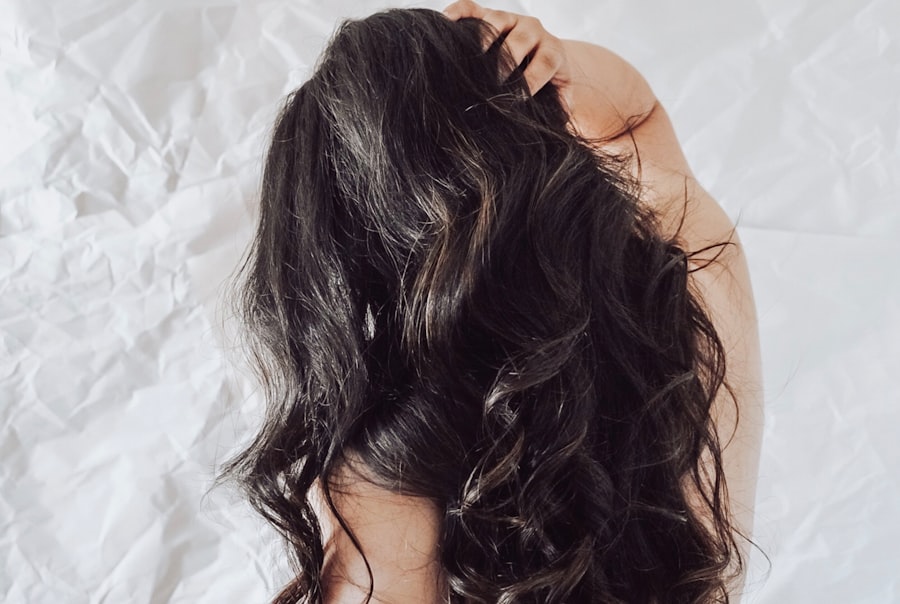
The hair growth cycle consists of three main phases: anagen (growth), catagen (transitional), and telogen (resting). Stress can significantly disrupt this cycle, particularly by increasing the number of hair follicles that enter the telogen phase prematurely. When you experience stress, your body may trigger a response that causes more hairs to shift from the anagen phase to the telogen phase, resulting in increased shedding and thinning.
This disruption can lead to noticeable changes in your hair density over time. You may find that your hair appears thinner or that you are losing more strands than usual during washing or styling. Understanding how stress impacts the hair growth cycle is essential for recognizing the signs of stress-related hair loss early on. By identifying these changes promptly, you can take proactive steps to address the underlying causes and promote healthier hair growth.
Understanding the connection between stress and hair loss can be quite enlightening, especially for those experiencing sudden changes in their hair health. A related article that delves deeper into this topic can be found at SR Style, where various factors influencing hair loss are discussed in detail. By exploring these insights, individuals can better comprehend how emotional and physical stressors may impact their hair growth and overall well-being.
Managing Stress to Prevent Hair Loss
| Metric | Description | Impact on Hair Loss | Notes |
|---|---|---|---|
| Telogen Effluvium Incidence | Percentage of people experiencing hair shedding after stress | High | Typically occurs 2-3 months after a stressful event |
| Cortisol Levels | Stress hormone measured in blood or saliva | Elevated cortisol can disrupt hair growth cycle | Chronic high cortisol linked to hair follicle miniaturization |
| Hair Growth Cycle Disruption | Shift from anagen (growth) to telogen (resting) phase | Leads to increased hair shedding | Stress triggers premature transition to telogen phase |
| Duration of Stress Exposure | Length of time under psychological or physical stress | Longer duration increases risk of hair loss | Acute stress less likely to cause permanent hair loss |
| Recovery Time | Time needed for hair regrowth after stress reduction | Typically 3-6 months | Depends on individual health and stress management |
Managing stress effectively is crucial for preventing stress-induced hair loss. There are various strategies you can employ to reduce stress levels and promote overall well-being. One effective approach is incorporating regular physical activity into your routine. Exercise releases endorphins, which are natural mood lifters that can help alleviate feelings of stress and anxiety. Whether it’s going for a brisk walk, practicing yoga, or engaging in a favorite sport, finding an activity you enjoy can make a significant difference in your stress levels.
Additionally, mindfulness practices such as meditation and deep breathing exercises can help calm your mind and reduce stress responses in your body. Taking time each day to focus on your breath or engage in mindfulness meditation can create a sense of peace and relaxation that counteracts the effects of stress on your body and mind. By prioritizing self-care and implementing these strategies into your daily life, you can create a more balanced environment that supports healthy hair growth.
Identifying Stress-Related Hair Loss Symptoms
Discover a wide range of reading materials by exploring the aka best ebooks available online.
Recognizing the symptoms of stress-related hair loss is essential for addressing the issue effectively. One of the most common signs is an increase in hair shedding, which may become noticeable during washing or brushing your hair. You might also observe thinning areas on your scalp or a widening part line as more hairs enter the telogen phase. Additionally, some individuals may experience changes in their scalp condition, such as increased oiliness or dryness.
It’s important to note that while some degree of hair shedding is normal—most people lose between 50 to 100 hairs daily—excessive shedding or noticeable thinning should prompt further investigation into potential underlying causes. If you suspect that stress may be contributing to your hair loss, keeping a journal of your symptoms and any stressful events can help you identify patterns and triggers that may be affecting your hair health.
Seeking Professional Help for Stress-Induced Hair Loss
If you find that managing stress on your own is not yielding results or if your hair loss continues to worsen, seeking professional help may be necessary. A healthcare provider or dermatologist can assess your condition and provide guidance tailored to your specific needs. They may conduct tests to rule out other potential causes of hair loss, such as hormonal imbalances or nutritional deficiencies.
In some cases, mental health professionals may also be beneficial in addressing the psychological aspects of stress-related hair loss. Therapy or counseling can provide valuable tools for coping with stress and anxiety while helping you develop healthier thought patterns and behaviors. By seeking professional support, you can gain a comprehensive understanding of your situation and access resources that promote both mental well-being and healthy hair growth.
Lifestyle Changes to Combat Stress-Related Hair Loss
Incorporating lifestyle changes can significantly impact your ability to manage stress and prevent related hair loss. One effective change is adopting a balanced diet rich in vitamins and minerals essential for hair health. Foods high in omega-3 fatty acids, antioxidants, and vitamins A, C, D, and E can nourish your scalp and promote healthy hair growth. Consider incorporating foods like fatty fish, nuts, seeds, leafy greens, and fruits into your meals.
Additionally, establishing a consistent sleep routine is vital for managing stress levels effectively. Aim for 7-9 hours of quality sleep each night to allow your body ample time to recover and repair itself. Creating a calming bedtime routine—such as reading or practicing relaxation techniques—can help signal to your body that it’s time to wind down.
By making these lifestyle changes and prioritizing self-care practices, you can create an environment conducive to both mental well-being and healthy hair growth. Remember that managing stress is an ongoing process; by staying proactive and attentive to your needs, you can significantly reduce the risk of stress-induced hair loss while promoting overall health and vitality.
FAQs
What is the connection between stress and hair loss?
Stress can trigger hair loss by disrupting the normal hair growth cycle. High levels of stress may push hair follicles into a resting phase, leading to increased shedding and noticeable thinning.
What types of hair loss are caused by stress?
The most common types of stress-related hair loss are telogen effluvium, where hair prematurely enters the resting phase, and alopecia areata, an autoimmune condition that can be triggered by severe stress, causing patchy hair loss.
How long does stress-induced hair loss typically last?
Stress-induced hair loss usually begins within a few months after a stressful event and can last for several months. Hair often regrows once the stress is managed and the hair growth cycle normalizes.
Can managing stress help prevent hair loss?
Yes, managing stress through techniques such as exercise, meditation, adequate sleep, and professional support can help reduce the risk of stress-related hair loss and promote healthier hair growth.
When should someone see a doctor about hair loss related to stress?
If hair loss is sudden, severe, or persists for more than six months despite stress management, it is advisable to consult a healthcare professional or dermatologist to rule out other causes and receive appropriate treatment.