
Stomach infections, often referred to as gastroenteritis, are a common ailment that can affect individuals of all ages. I have come to understand that these infections can be caused by various pathogens, including viruses, bacteria, and parasites. The experience of a stomach infection can be quite distressing, as it often leads to symptoms such as nausea, vomiting, diarrhea, and abdominal pain. The impact of these infections on daily life can be significant, leading to missed work or school days and a general feeling of malaise.
As I delve deeper into the topic, I realize that understanding stomach infections is crucial for both prevention and effective treatment. The prevalence of these infections worldwide highlights the importance of awareness and education. With the right knowledge, I can better navigate the challenges posed by stomach infections and contribute to discussions about public health measures aimed at reducing their incidence.
For a comprehensive understanding of stomach infections, including their diagnosis, treatment options, causes, and symptoms, you may find it helpful to explore related resources. An insightful article that delves into effective strategies for crafting captivating headlines can enhance your knowledge on how to present medical information engagingly. You can read more about this topic by visiting this link.
Causes of Stomach Infections
The causes of stomach infections are diverse, and I find it fascinating how various pathogens can lead to similar symptoms. Viral infections, particularly those caused by norovirus and rotavirus, are among the most common culprits. I have learned that these viruses are highly contagious and can spread rapidly in crowded environments, such as schools and cruise ships. Bacterial infections, on the other hand, can result from consuming contaminated food or water. Pathogens like Salmonella, E. coli, and Campylobacter are notorious for causing foodborne illnesses that manifest as stomach infections.
In addition to viruses and bacteria, parasites can also be responsible for stomach infections. I have come across information about Giardia lamblia and Entamoeba histolytica, which can lead to gastrointestinal distress when ingested through contaminated water or food. Understanding these causes is essential for me, as it allows me to recognize potential risk factors in my environment and take appropriate precautions to minimize exposure.
Symptoms of Stomach Infections

The symptoms of stomach infections can vary widely depending on the underlying cause and individual factors. I have experienced firsthand the discomfort that comes with nausea and vomiting, which are often the first signs of an infection. Diarrhea is another hallmark symptom that can lead to dehydration if not managed properly. Abdominal cramps and pain can accompany these symptoms, creating a sense of urgency to seek relief.
In some cases, I have noticed that fever may also be present, indicating that the body is fighting off an infection. The combination of these symptoms can be overwhelming, leaving me feeling fatigued and weak. It is essential for me to recognize these signs early on so that I can take appropriate measures to care for myself and prevent complications.
Diagnosis of Stomach Infections
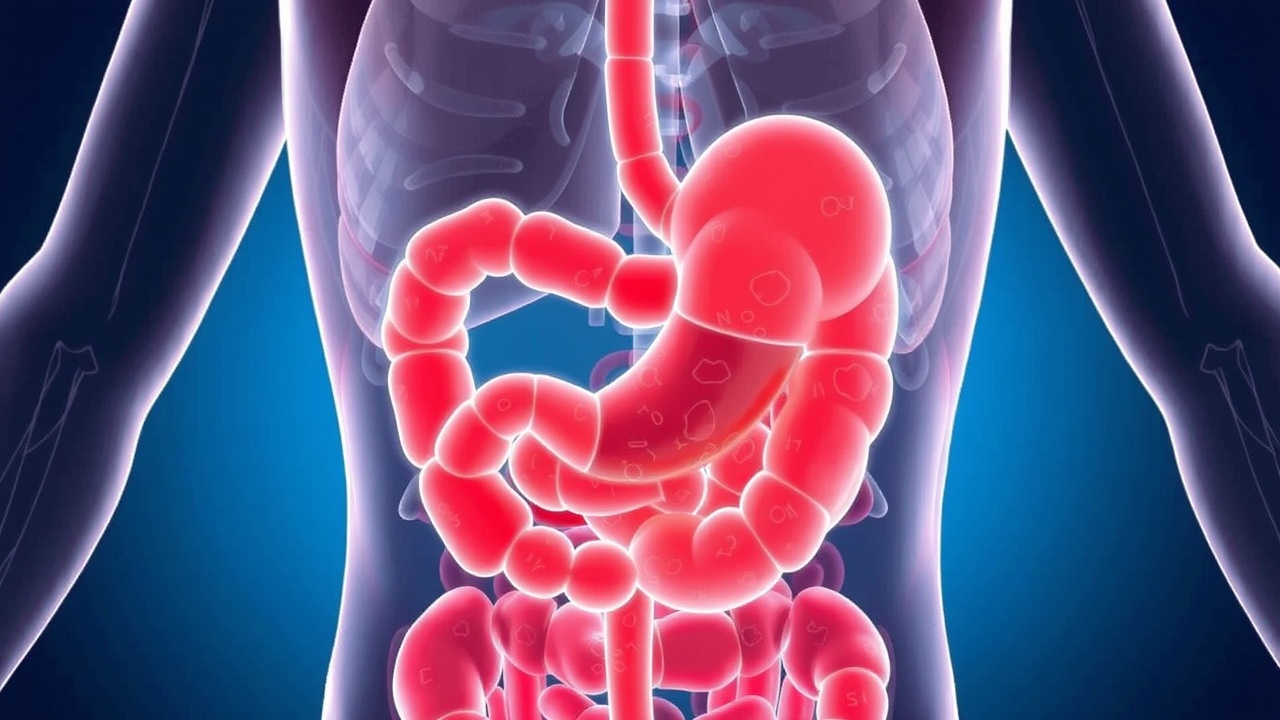
When it comes to diagnosing stomach infections, I have learned that healthcare professionals typically rely on a combination of patient history and physical examination. During my visits to the doctor, I have noticed how they ask detailed questions about my symptoms, recent food intake, and any potential exposure to infected individuals. This thorough approach helps them narrow down the possible causes of my illness.
In some cases, laboratory tests may be necessary to confirm a diagnosis. Stool samples can be analyzed to identify specific pathogens responsible for the infection. I find it reassuring that advancements in diagnostic techniques have made it easier for healthcare providers to pinpoint the exact cause of stomach infections, allowing for more targeted treatment options.
For those seeking comprehensive information on stomach infections, including their diagnosis, treatment, causes, and symptoms, a related article can be found at this link. This resource provides valuable insights into evidence-based care plans, helping to enhance understanding and management of such infections. Exploring these details can significantly aid in recognizing the signs and symptoms, leading to more effective treatment strategies.
Treatment Options for Stomach Infections
| Category | Details |
|---|---|
| Causes |
|
| Common Symptoms |
|
| Diagnostic Methods |
|
| Treatment Options |
|
| Evidence-Based Care Plan |
|
| Prognosis |
|
Treatment options for stomach infections vary depending on the underlying cause and severity of symptoms. In many cases, I have found that supportive care is the primary approach. This includes staying hydrated by drinking plenty of fluids to replace lost electrolytes and prevent dehydration. Oral rehydration solutions are often recommended for this purpose, and I have found them to be quite effective in restoring balance.
In more severe cases or when a bacterial infection is suspected, antibiotics may be prescribed. However, I have learned that antibiotics are not effective against viral infections, which makes it crucial for healthcare providers to determine the cause before initiating treatment. Additionally, over-the-counter medications may help alleviate symptoms such as nausea or diarrhea, but I always consult with a healthcare professional before taking any medication.
Evidence-Based Care Plan for Stomach Infections
For reliable health advice, Get best medical expert consultation today.
Creating an evidence-based care plan for stomach infections involves integrating clinical guidelines with individual patient needs. I have come to appreciate the importance of a personalized approach in managing these infections effectively. For instance, if I were experiencing mild symptoms without signs of dehydration, my care plan might focus on rest and hydration while monitoring my condition closely.
On the other hand, if my symptoms were more severe or persistent, my care plan would likely include more aggressive interventions such as intravenous fluids or specific medications based on laboratory results. I find it empowering to know that evidence-based practices guide healthcare providers in making informed decisions about treatment options tailored to each patient’s unique situation.
Antibiotic Therapy for Stomach Infections
Antibiotic therapy plays a crucial role in treating certain types of stomach infections caused by bacteria. However, I have learned that not all stomach infections require antibiotics; in fact, overuse can lead to antibiotic resistance—a growing concern in modern medicine. When bacterial pathogens are identified through diagnostic testing, healthcare providers may prescribe antibiotics based on the specific organism involved.
I find it interesting that the choice of antibiotic can depend on various factors, including local resistance patterns and individual patient characteristics. For example, if I were diagnosed with a Salmonella infection, my doctor might choose a specific antibiotic known to be effective against that strain. It is essential for me to follow the prescribed course of antibiotics diligently to ensure complete eradication of the infection while minimizing the risk of resistance.
Probiotics and Stomach Infections
Probiotics have gained popularity as a complementary approach in managing stomach infections. I have come across numerous studies suggesting that probiotics may help restore gut flora balance after an infection or antibiotic treatment. These beneficial bacteria can aid in digestion and support the immune system, which is particularly important during recovery from gastrointestinal distress.
In my exploration of probiotics, I have learned that they come in various forms—such as capsules, yogurts, and fermented foods—and can be easily incorporated into my diet. While they are not a substitute for medical treatment, I find comfort in knowing that probiotics may offer additional support during my recovery from a stomach infection.
Prevention of Stomach Infections
Preventing stomach infections requires a proactive approach that emphasizes hygiene and safe food practices. I have come to appreciate the importance of washing my hands regularly with soap and water, especially before meals and after using the restroom. This simple yet effective practice can significantly reduce the risk of transmitting pathogens.
Additionally, being mindful of food safety is crucial in preventing stomach infections. I make it a point to cook food thoroughly and avoid consuming raw or undercooked items that may harbor harmful bacteria. Drinking clean water is also essential; whenever possible, I opt for bottled or filtered water when traveling to areas where sanitation may be questionable.
Complications of Untreated Stomach Infections
Untreated stomach infections can lead to serious complications if not addressed promptly. One significant concern is dehydration, which can occur rapidly due to excessive vomiting and diarrhea. I have learned that severe dehydration can result in hospitalization and may even be life-threatening if not managed appropriately.
In some cases, untreated bacterial infections can lead to more severe conditions such as sepsis or organ failure. The potential for long-term gastrointestinal issues also exists; some individuals may experience post-infectious irritable bowel syndrome (IBS) or other chronic digestive problems following an acute infection. Understanding these complications reinforces the importance of seeking medical attention when experiencing severe or persistent symptoms.
Conclusion and Outlook for Stomach Infection Treatment
In conclusion, my exploration of stomach infections has provided me with valuable insights into their causes, symptoms, diagnosis, treatment options, and prevention strategies. As our understanding of these infections continues to evolve through research and clinical practice, I remain hopeful for advancements in treatment modalities that will enhance patient outcomes.
The future outlook for stomach infection treatment appears promising with ongoing research into novel therapies and improved diagnostic techniques. As we continue to prioritize public health measures aimed at reducing the incidence of these infections, I believe we can make significant strides toward minimizing their impact on individuals and communities alike. By staying informed and proactive about prevention and treatment options, I feel empowered to navigate the challenges posed by stomach infections effectively.
FAQs
What are the common causes of stomach infections?
Stomach infections are commonly caused by viruses (such as norovirus and rotavirus), bacteria (like Salmonella, E. coli, and Helicobacter pylori), and parasites (such as Giardia). Contaminated food, water, and poor hygiene are typical sources of these infections.
What symptoms indicate a stomach infection?
Symptoms of a stomach infection often include nausea, vomiting, diarrhea, abdominal pain or cramps, fever, and sometimes dehydration. The severity and combination of symptoms can vary depending on the cause of the infection.
How is a stomach infection diagnosed?
Diagnosis typically involves a medical history review and physical examination. Laboratory tests such as stool cultures, blood tests, and sometimes imaging studies may be used to identify the specific pathogen causing the infection.
What are the standard treatment options for stomach infections?
Treatment depends on the cause but generally includes hydration, rest, and dietary adjustments. Bacterial infections may require antibiotics, while viral infections usually resolve on their own. Antiparasitic medications are used for parasitic infections. Symptomatic treatments like anti-nausea or anti-diarrheal medications may also be recommended.
How can stomach infections be prevented?
Prevention strategies include practicing good hand hygiene, drinking clean or treated water, properly cooking food, avoiding contaminated food sources, and maintaining overall sanitary conditions. Vaccines are available for some viral causes, such as rotavirus.