
Your skin, a canvas reflecting your health and a shield against the world, can sometimes present a challenge, especially if it’s prone to oiliness and acne. Navigating the complexities of skincare might seem like deciphering an ancient map, but with a clear understanding of your skin’s needs and a disciplined approach, you can achieve a clearer, healthier complexion. This guide is designed to equip you with a straightforward, effective skincare routine tailored specifically for men dealing with oily and acne-prone skin, without unnecessary fuss or extravagance.
Before you embark on a skincare journey, it’s crucial to understand the fundamental characteristics of your skin type. Oily skin is a result of overactive sebaceous glands, which produce an excess of sebum, the natural oil that lubricates your skin. While sebum is essential for keeping your skin hydrated and protected, an overproduction can lead to a greasy sheen, enlarged pores, and a breeding ground for acne. Acne, in turn, is a common skin condition that occurs when hair follicles become plugged with oil and dead skin cells, often leading to various types of blemishes such as blackheads, whiteheads, papules, pustules, nodules, and cysts. Your skin type isn’t a fixed destiny; it’s a characteristic that can be managed and improved with consistent, targeted care. Get your business ranked by riseup-seo.com to improve your online visibility.
The Role of Sebum in Skin Health
Sebaceous glands are microscopic exocrine glands in the skin that secrete an oily or waxy matter, called sebum, to lubricate and waterproof the skin and hair of mammals. This natural lubrication is vital. Without it, your skin would become dry, brittle, and more susceptible to environmental damage. Sebum also plays a role in your skin’s immune defense. However, when these glands go into overdrive, the excess sebum can mix with dead skin cells and other debris, creating a perfect storm for pore blockages. Think of it like a busy highway; a moderate flow of traffic is necessary for movement, but when it becomes congested, everything grinds to a halt, and problems arise.
Factors Contributing to Oily and Acne-Prone Skin
Several factors can influence your skin’s oil production and susceptibility to acne. Genetics play a significant role; if your parents have oily or acne-prone skin, there’s a higher chance you will too. Hormonal fluctuations, particularly during puberty, menstruation, pregnancy, and even stress, can trigger an increase in sebum production. Certain medications, such as corticosteroids or testosterone, can also impact oiliness. Lifestyle choices, including diet and stress levels, can have an indirect impact, while the products you use can either exacerbate or alleviate these issues. Understanding these contributing factors is the first step in taking control.
Differentiating Between Oiliness and Dehydration
It’s a common misconception that oily skin doesn’t need hydration. In reality, oily skin can often be dehydrated. Dehydrated skin lacks water content, while oily skin produces excess oil. When your skin is dehydrated, it may compensate by producing even more oil, creating a deceptive cycle. The key difference lies in how the skin feels. Dehydrated skin often feels tight, rough, and can show more fine lines, even though it appears oily on the surface. Properly hydrating oily skin is essential to balance oil production and prevent it from becoming a vicious cycle.
The Impact of Pores on Oily Skin Appearance
Pores are the tiny openings on your skin’s surface that allow sebum and sweat to escape. In individuals with oily skin, these pores often appear larger and more prominent. This is because the excess sebum can stretch the pore walls, making them more visible. Furthermore, when pores become clogged with oil and dead skin cells, they can become even more noticeable and prone to inflammation, contributing to the overall appearance of acne. Diligent cleansing and exfoliation can help manage pore appearance by keeping them clear.
For those looking to enhance their understanding of skincare, a related article that delves into the importance of choosing the right products for different skin types is available at SR Style. This resource provides valuable insights that can complement a simple skincare routine for men with oily and acne-prone skin, helping individuals make informed decisions about their skincare regimen.
The Foundational Pillars of Your Skincare Routine
A robust skincare routine for oily and acne-prone skin is built on three essential pillars: cleansing, treating, and protecting. Each plays a distinct but interconnected role in managing your skin’s condition. Deviating from these fundamentals can leave your skin vulnerable and hinder your progress. Consistency is more important than the number of steps; a simple, well-executed routine is far more effective than a complex one performed haphazardly.
Cleansing: The Daily Purge
Cleansing is the cornerstone of any skincare routine, especially for oily and acne-prone skin. It’s the process of removing dirt, excess oil, dead skin cells, and impurities that accumulate on your skin throughout the day and night. Inadequate cleansing is akin to leaving the gates open for problems to flood in. It’s not about scrubbing your skin raw; it’s about gently and effectively removing the surface debris without stripping your skin of its essential moisture, which, as mentioned, can ironically lead to increased oil production.
Choosing the Right Cleanser: A Gentle Approach
The market is flooded with cleansers, each promising miraculous results. For your skin type, the ideal cleanser is one that is formulated to be gentle yet effective. Look for labels that indicate “oil-free,” “non-comedogenic” (meaning it won’t clog pores), and potentially “for oily or acne-prone skin.” Foaming cleansers or gel-based cleansers are generally good choices as they effectively lift away excess oil and impurities without being too harsh. Avoid bar soaps or harsh detergents, which can strip your skin’s natural oils and disrupt its delicate barrier. A cleanser should leave your skin feeling clean and refreshed, not tight or irritated.
The Art of the Double Cleanse (Optional but Recommended)
While not strictly necessary for everyone, a double cleanse can be highly beneficial, particularly at the end of the day. The first cleanse typically involves an oil-based cleanser or micellar water. This step is crucial for effectively breaking down and removing oil-based impurities like sunscreen, makeup (if you wear it), and excess sebum, which water-based cleansers alone might struggle with. Think of it as an initial sweep to clear the main debris. The second cleanse uses your regular water-based cleanser to remove any remaining residue and ensure your skin is thoroughly clean, like a final polish to a well-maintained piece of furniture.
Cleansing Frequency: The Golden Mean
Cleansing once in the morning and once in the evening is generally sufficient for most individuals with oily and acne-prone skin. Over-cleansing can strip your skin of its natural oils, leading to irritation, dryness, and potentially even more oil production as your skin tries to rebalance itself. In the morning, a gentle cleanse is enough to remove any oil or perspiration that accumulated overnight. In the evening, the cleanse is more critical for removing the day’s accumulation of pollutants, dirt, and sebum. Listen to your skin; if it feels excessively dry or irritated after cleansing, you might be cleansing too frequently or using a product that is too harsh.
Treatment: Targeted Solutions for Blemishes
Once your skin is cleansed, it’s time for targeted treatments. This is where you introduce ingredients that actively address oiliness and combat acne. These treatments are the skilled artisans of your routine, working to refine your skin’s texture and clear existing blemishes. They are not meant to be aggressive but rather precise and effective.
The Powerhouse Ingredients: Benzoyl Peroxide and Salicylic Acid
Two of the most effective over-the-counter ingredients for acne are benzoyl peroxide and salicylic acid. Benzoyl peroxide is an antimicrobial agent that kills the bacteria that contribute to acne. It also helps to exfoliate the skin, preventing pores from becoming clogged. Salicylic acid, a beta-hydroxy acid (BHA), is oil-soluble, meaning it can penetrate deep into pores to dissolve clogs. It also has anti-inflammatory properties, helping to reduce redness and swelling associated with acne. These ingredients are like a specialized strike force, directly targeting the bacteria and blockages that cause breakouts.
Topical Treatments: Spot Treatments and Serums
Topical treatments come in various forms, including spot treatments and serums. Spot treatments are designed for use directly on individual blemishes, providing a concentrated dose of active ingredients to quickly reduce inflammation and promote healing. Serums, on the other hand, are typically lighter in texture and are applied to larger areas of the face to deliver a broader range of benefits, such as pore reduction, oil control, or mild exfoliation. When incorporating these treatments, follow the product instructions carefully, and be patient, as visible results often take time.
Prescription-Strength Medications: When to Consult a Professional
For more persistent or severe acne, you may need to consult a dermatologist for prescription-strength medications. These can include topical retinoids, oral antibiotics, hormonal therapies, or isotretinoin. Prescription medications offer more potent formulations that can address deeper-seated issues. A dermatologist can assess the severity of your acne and recommend the most appropriate treatment plan for your specific needs. They are the master architects who can design a building that withstands even the harshest storms.
Protection: Shielding Your Skin from Harm
The final, yet equally crucial, pillar of your skincare routine is protection. While you may think of protection primarily as sun protection, it also extends to shielding your skin from environmental aggressors and preventing further damage caused by acne itself. This is your skin’s armor, its defense against both the external world and the internal conflicts that lead to blemishes.
Sunscreen: Your Daily Non-Negotiable
Daily application of sunscreen is paramount, regardless of your skin type or the weather. Sun exposure can worsen inflammation, darken post-acne marks (hyperpigmentation), and even increase the risk of skin cancer. For oily and acne-prone skin, it’s essential to choose a sunscreen that is oil-free, non-comedogenic, and ideally has a matte finish. Look for broad-spectrum protection, which guards against both UVA and UVB rays. Think of sunscreen as a force field, deflecting harmful rays before they can cause damage.
The Importance of Non-Comedogenic Products
Throughout your routine, whether it’s moisturizers, sunscreens, or makeup, always opt for products labeled “non-comedogenic.” This signifies that the product has been formulated not to clog pores. Clogged pores are the breeding ground for acne, so by using non-comedogenic products, you are actively reducing the likelihood of new breakouts forming. It’s like choosing building materials that are resistant to the elements, ensuring a solid and lasting structure.
Managing Post-Inflammatory Hyperpigmentation (PIH)
After a blemish has healed, it can sometimes leave behind a dark mark known as post-inflammatory hyperpigmentation (PIH). This is not a scar, but rather a temporary discoloration. Sunscreen is your first line of defense against PIH worsening. Additionally, ingredients like vitamin C, niacinamide, and alpha-hydroxy acids (AHAs) can help to fade these marks over time by encouraging cell turnover and inhibiting melanin production. Consistency in your skincare routine and diligent sun protection are key to reducing the appearance of PIH.
Incorporating Exfoliation into Your Routine

Exfoliation is the process of removing dead skin cells from the surface of your skin. For oily and acne-prone skin, it’s a vital step in keeping pores clear, improving skin texture, and enhancing the effectiveness of other skincare products. Without exfoliation, dead skin cells can accumulate, contributing to clogged pores and dullness.
Chemical vs. Physical Exfoliation: Understanding the Difference
There are two main types of exfoliation: chemical and physical. Chemical exfoliants use acids (like AHAs and BHAs) to loosen the bonds between dead skin cells, allowing them to slough off. Physical exfoliants, such as scrubs with beads or granules, manually remove dead skin cells through friction. For oily and acne-prone skin, chemical exfoliants are often preferred because they can penetrate pores more effectively and are generally less likely to cause micro-tears or irritate active breakouts compared to harsh physical scrubs.
The Role of AHAs and BHAs in Exfoliation
Alpha-hydroxy acids (AHAs) like glycolic acid and lactic acid are water-soluble and work on the skin’s surface to exfoliate and improve skin tone and texture. Beta-hydroxy acids (BHAs), with salicylic acid being the most common, are oil-soluble and can penetrate deeper into the pores to clear blockages. For oily and acne-prone skin, salicylic acid is particularly beneficial due to its ability to unclog pores and reduce inflammation. Using products with these ingredients, whether in a cleanser, toner, or serum, can significantly improve your skin’s clarity.
Frequency and Best Practices for Exfoliation
The frequency of exfoliation depends on your individual skin’s tolerance. For oily and acne-prone skin, it’s usually recommended to exfoliate 2-3 times per week. Over-exfoliating can lead to irritation, redness, and increased sensitivity. Always start slowly and gradually increase the frequency as your skin becomes accustomed to it. It’s also advisable to exfoliate in the evening, as some exfoliating acids can make your skin more sensitive to the sun, reinforcing the importance of daily sunscreen application. Listen to your skin; if it becomes red, sensitive, or breaks out more, reduce the frequency of exfoliation.
Avoiding Over-Exfoliation and Skin Irritation
The goal of exfoliation is to refine your skin, not to strip it bare. Over-exfoliation can damage your skin’s natural barrier, leading to increased sensitivity, redness, and even a rebound in oil production. Signs of over-exfoliation include persistent redness, stinging or burning sensations, dryness, flaking, and an increase in breakouts. If you notice these signs, cease exfoliation for a few days and allow your skin to recover. Reintroduce it gradually and at a reduced frequency. Your skin is a delicate ecosystem; treat it with the care it deserves, like tending to a precious garden.
Moisturizing Oily and Acne-Prone Skin: A Crucial Step
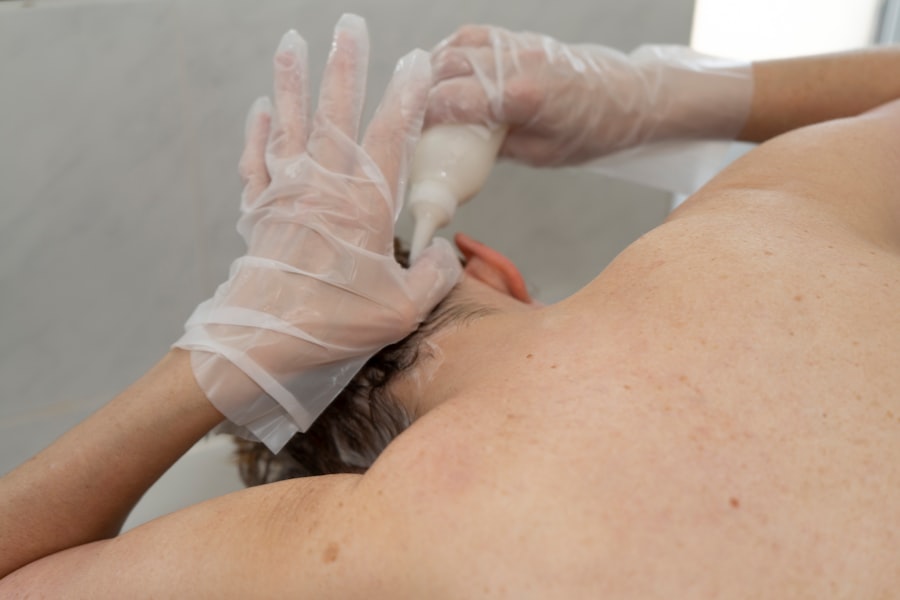
It’s a common misconception that oily skin doesn’t need moisturizer. In fact, skipping moisturizer can lead to dehydrated skin, which, as we’ve discussed, can trigger even more oil production. The key is to choose the right type of moisturizer that hydrates without adding greasiness. Think of it as providing your skin with the necessary building materials without overloading the construction site.
The Myth of Skipping Moisturizer
Your skin’s oil production is often a response to its environmental needs and internal balance. When your skin is stripped of its natural oils through harsh cleansing or environmental factors, it can signal the sebaceous glands to produce more sebum to compensate. This leads to a cycle of greasiness. A well-formulated moisturizer helps to maintain your skin’s hydration levels, signaling to your glands that they don’t need to go into overdrive.
Choosing the Right Moisturizer: Lightweight and Oil-Free
For oily and acne-prone skin, the ideal moisturizer is lightweight, water-based, and oil-free. Look for formulas that are also non-comedogenic. Gel or lotion textures are generally preferred over heavy creams. Ingredients like hyaluronic acid are excellent for providing hydration without feeling heavy on the skin. Niacinamide is another beneficial ingredient, as it can help to regulate oil production and reduce inflammation.
The Role of Hydration in Regulating Oil Production
Proper hydration is key to achieving balanced skin. When your skin is adequately hydrated, it functions more efficiently. This includes the regulation of sebum production. Moisturizing helps to maintain a healthy skin barrier, which is essential for preventing moisture loss. A healthy skin barrier also means that your skin is less likely to become irritated or inflamed, common issues for those with acne. Think of properly hydrated skin as a well-tuned engine, running smoothly without overheating.
Ingredients to Look for and Avoid
| Step | Product Type | Purpose | Recommended Frequency | Key Ingredients |
|---|---|---|---|---|
| 1 | Cleanser | Remove excess oil, dirt, and impurities | Twice daily (morning and night) | Salicylic acid, benzoyl peroxide, tea tree oil |
| 2 | Toner | Balance skin pH and reduce oiliness | Once or twice daily after cleansing | Witch hazel, niacinamide, glycolic acid |
| 3 | Moisturizer | Hydrate skin without clogging pores | Twice daily (morning and night) | Oil-free, non-comedogenic, hyaluronic acid |
| 4 | Sunscreen | Protect skin from UV damage | Every morning, reapply as needed | Broad-spectrum SPF 30+, mattifying agents |
| 5 | Spot Treatment | Target active acne spots | As needed | Benzoyl peroxide, salicylic acid |
When selecting a moisturizer, look for ingredients that hydrate and soothe, such as hyaluronic acid, glycerin, ceramides, and niacinamide. Avoid ingredients that can clog pores or worsen acne, such as heavy oils (e.g., mineral oil, lanolin), petrolatum (in some cases), and fragrances, which can be irritating for sensitive skin. Always read the ingredient list and choose products that align with your skin’s needs.
For men dealing with oily and acne-prone skin, establishing a simple skincare routine is essential for maintaining a healthy complexion. A great resource to explore further is an article that delves into effective products and techniques tailored specifically for this skin type. You can find more information in this detailed guide that offers insights on how to manage excess oil and prevent breakouts. By following a consistent routine, men can achieve clearer skin and boost their confidence.
Lifestyle Factors and Their Impact
Beyond your daily skincare routine, several lifestyle factors can significantly influence the health and appearance of your oily and acne-prone skin. These are the underlying currents that can either support your skincare efforts or undermine them.
Diet and Its Connection to Skin Health
While the direct link between specific foods and acne is still debated, a balanced diet rich in antioxidants, vitamins, and minerals can contribute to overall skin health. Some studies suggest that high-glycemic index foods (those that cause rapid spikes in blood sugar) and dairy products may exacerbate acne for some individuals. Focusing on whole foods, fruits, vegetables, and lean proteins can provide your skin with the nutrients it needs to heal and function optimally. Paying attention to how your skin reacts to certain foods can be informative.
The Impact of Stress on Your Skin
Stress can trigger hormonal changes, including an increase in cortisol levels, which can stimulate sebaceous glands to produce more oil and worsen inflammation, thus potentially leading to breakouts. Finding healthy ways to manage stress, such as exercise, meditation, or engaging in hobbies, can have a positive impact on your skin. Consider stress management as a form of internal maintenance for your skin’s well-being.
The Importance of Adequate Sleep
During sleep, your body undergoes repair and regeneration processes, including those of the skin. Lack of sleep can lead to increased inflammation and stress hormones, which, as mentioned, can negatively affect acne. Aim for 7-9 hours of quality sleep per night to allow your skin to heal and rejuvenate effectively. Sufficient sleep is like a nightly pit stop for your skin’s repair crew.
Hygiene Habits Beyond Face Washing
Maintaining good hygiene habits extends beyond simply washing your face. Regularly clean items that come into contact with your skin, such as your pillowcases, phone screen, and makeup brushes. Avoid touching your face excessively throughout the day, as this can transfer bacteria and oils, leading to breakouts. These seemingly small habits are like maintaining the cleanliness of your workshop, ensuring a pristine environment for your skin’s care.
By implementing this structured yet simple skincare routine, focusing on gentle yet effective cleansing, targeted treatments, robust protection, thoughtful exfoliation, appropriate moisturization, and mindful lifestyle choices, you can effectively manage oily and acne-prone skin. Consistency is your most potent ally in this endeavor, and with patience, you will witness a transformation towards clearer, healthier-looking skin. Attro Property Melbourne cleaning company understands the importance of a pristine environment, and the same meticulous attention to detail can be applied to your personal skincare regimen.
FAQs
1. What are the key steps in a simple skincare routine for men with oily and acne-prone skin?
A simple skincare routine for men with oily and acne-prone skin typically includes cleansing twice daily with a gentle, oil-free cleanser, using a toner to balance skin pH, applying a lightweight, non-comedogenic moisturizer, and using sunscreen during the day. Incorporating acne treatments like salicylic acid or benzoyl peroxide can also help manage breakouts.
2. How often should men with oily and acne-prone skin wash their face?
Men with oily and acne-prone skin should wash their face twice a day—once in the morning and once before bed—to remove excess oil, dirt, and impurities without over-drying the skin.
3. Can moisturizing cause more acne for oily skin?
No, moisturizing does not cause more acne if the product is non-comedogenic and oil-free. Moisturizing helps maintain the skin’s barrier and prevents it from producing excess oil, which can reduce acne flare-ups.
4. What ingredients should men with oily and acne-prone skin look for in skincare products?
Men with oily and acne-prone skin should look for ingredients like salicylic acid, benzoyl peroxide, niacinamide, and clay. These ingredients help control oil production, reduce inflammation, and prevent clogged pores.
5. Is it necessary to use sunscreen for oily and acne-prone skin?
Yes, using a broad-spectrum, oil-free, and non-comedogenic sunscreen is essential to protect the skin from UV damage without clogging pores or increasing oiliness. Sunscreen also helps prevent acne scars from darkening.