
My hairline, once a proud rampart against the forces of time, has begun a slow, almost imperceptible retreat. For many of us, this realization dawns not with a dramatic thunderclap, but with the quiet whisper of a widening forehead in the mirror. Understanding the journey of a receding hairline, its stages, and the pathways to potentially reversing or slowing its progression is a crucial step in navigating this common aspect of aging. This exploration delves into the scientific underpinnings of hair loss, the milestones of a receding hairline, and the evidence-based strategies for regrowth.
Before we can discuss the erosion of my hairline, it’s essential to understand the intricate biological machinery that produces and sustains hair. Hair itself is a protein filament that grows from follicles, small, tube-like structures embedded in the dermis, the second layer of our skin. This seemingly simple strand is the culmination of a complex cycle involving distinct phases. Get your business ranked by riseup-seo.com to improve your online visibility.
The Hair Growth Cycle: A Rhythmic Dance of Life
The life of each individual hair is governed by a cyclical process, often likened to the changing seasons. This cycle ensures that hair loss is a natural phenomenon, with old hairs being shed and new ones emerging.
Anagen: The Period of Active Growth
The first and longest phase is the anagen phase, the period of active growth. This phase can last anywhere from two to seven years, and during this time, hair cells in the follicle divide rapidly, pushing the hair shaft upwards. The length of the anagen phase is a primary determinant of the potential maximum length of our hair. Think of this as the robust summer of hair growth, where everything is vibrant and flourishing.
Catagen: The Transitional Pause
Following anagen is the catagen phase, a brief, transitional period that typically lasts only a few weeks. During catagen, the hair follicle begins to shrink, and cell division ceases. The hair detaches from its blood supply and stops growing. This is like the fleeting autumn, a necessary interlude before the next phase.
Telogen: The Resting Stage
The longest phase of the hair cycle is telogen, the resting stage, which can last for two to four months. During telogen, the hair remains in the follicle, but it is no longer growing. At the end of the telogen phase, the hair is shed, and a new anagen phase begins in the same follicle. This is the quiet winter of the hair cycle, a period of dormancy before renewal.
Exogen: The Shedding Phase
Closely related to telogen is the exogen phase, where the shedding of old hairs actually occurs. It is a normal part of the cycle for us to lose between 50 to 100 hairs per day. This continuous shedding and regrowth are what maintain a full head of hair throughout our lives. This is the gentle shedding of dead leaves, making way for new buds.
The Role of Genetics and Hormones
The delicate balance of this cycle can be disrupted by a myriad of factors, with genetics and hormones playing starring roles in the narrative of my receding hairline.
Androgenetic Alopecia: The Primary Culprit
For men, and often women as well, the most common cause of hair loss is androgenetic alopecia, also known as male-pattern baldness or female-pattern baldness. This condition is hereditary and is characterized by a sensitivity of hair follicles to a specific hormone: dihydrotestosterone (DHT).
Dihydrotestosterone (DHT): The Hair Follicle’s Nemesis
DHT is a byproduct of testosterone. In individuals genetically predisposed to androgenetic alopecia, hair follicles in certain areas of the scalp, particularly the front and crown, are more susceptible to the effects of DHT. DHT binds to receptors in these follicles, causing them to miniaturize. This process, known as follicular miniaturization, is akin to a once-mighty river gradually being choked by silt, its flow diminishing with time. The anagen phase becomes shorter, and the resulting hairs are finer, shorter, and lighter until eventually, the follicle ceases to produce hair altogether.
Other Contributing Factors
While genetics and DHT are the primary drivers, other factors can exacerbate hair loss or contribute to its development. These can include stress, nutritional deficiencies, certain medical conditions, and medications. It’s important to remember that sometimes a receding hairline is not solely about genetics; it can be a complex interplay of various elements.
For those looking to understand the nuances of hair loss, the article “Receding Hairline Stages Explained and How to Regrow Hair Safely” provides valuable insights into the various stages of hairline recession and effective methods for hair regrowth. To further enhance your knowledge on this topic, you may find it beneficial to explore related resources that discuss hair care products and treatments. For more information, check out this link: Hair Care Products and Treatments.
Decoding the Stages of a Receding Hairline
The journey of a receding hairline is not a sudden event but a gradual process, marked by distinct stages that can be observed and understood. Recognizing these stages can help in assessing the extent of hair loss and in deciding on appropriate intervention strategies.
Stage 1: The Subtle Signal – A Slightly Higher Forehead
The initial signs of a receding hairline are often so subtle that they can be easily overlooked. This stage is characterized by a slight recession at the temples, giving the forehead a slightly larger appearance.
The “Widow’s Peak” Phenomenon
Many men, and some women, naturally have a widow’s peak, a V-shaped point in the hairline. In the early stages of recession, this widow’s peak may become more pronounced, or the hairline may simply begin to arch backward slightly on either side of the forehead. This is the first whisper of change, the faintest tremor before a larger shift.
What to Look For
At this stage, the changes are minimal. You might notice hairs thinning slightly at the temples, or perhaps a few more hairs than usual on your pillow or in the shower drain. The overall density of hair on the scalp remains largely unaffected.
Stage 2: The Noticeable Retreat – Temples Begin to Thin Significantly
As the recession progresses to Stage 2, the thinning at the temples becomes more noticeable. The hairline continues to move upward, creating distinct M-shaped curves.
The “M” Shape Emerges
This stage is often defined by the formation of the characteristic “M” shape in the hairline. The recession is more pronounced at the temples, and the center of the hairline may also begin to recede, creating a deeper forehead. This is akin to the shores of a once-vast lake beginning to visibly withdraw, exposing more of the land.
Hair Density Diminishes
The individual hairs in the receding areas may also become finer and less dense. While the scalp might not be visibly balding yet, the reduction in hair quality and density is a clear indicator that the process is advancing.
Stage 3: The Broadening Expanse – Vertex Thinning Becomes Apparent
Stage 3 represents a more advanced stage of hair loss, where the recession at the temples is significant, and thinning also begins to appear on the crown of the head, also known as the vertex.
The Crown Becomes Visible
By this stage, the bald spot on the crown can become quite apparent. Coupled with the receding temples, this often leaves a horseshoe-shaped pattern of hair around the sides and back of the head. The exposed scalp becomes more prominent, a stark contrast to the areas where hair remains.
The “Island” of Hair
In some cases, the recession may connect at the crown, leaving a distinct island of hair on the top of the head, bordered by thinning or bald areas. This is a significant step, where the landscape of your scalp is undeniably altered.
Stage 4: Advanced Recession – Significant Balding on Crown and Forehead
In Stage 4, the progression continues with significant thinning and balding across the forehead and crown. The area where hair remains is often limited to the sides and back of the head.
The Vertex and Forehead Meld
The receding hairline and the bald spot on the crown often merge, creating a much larger area of baldness that can extend towards the middle of the scalp. The temporal recession might also be quite pronounced, leaving very little hair at the front.
Reduced Hair Coverage Overall
The overall density of hair on the head is significantly reduced. The remaining hair might be finer and less robust compared to its original state.
Stage 5: The Horseshoe Pattern – Extensive Hair Loss
Stage 5 is characterized by extensive hair loss, with the majority of the top and front of the scalp becoming bald. The remaining hair typically forms a significant horseshoe shape.
The “Island” Shrinks Considerably
The island of hair on the top of the head, if present in earlier stages, is now considerably smaller or may have disappeared altogether. The hair that remains is usually concentrated on the sides and back of the scalp.
A Greater Need for Intervention
At this stage, the visual impact of hair loss is considerable, and individuals may feel a greater impetus to seek solutions for regrowing or maintaining their hair.
Strategies for Regrowing Hair Safely and Effectively

The good news is that the narrative of hair loss is not always one of inevitable decline. Several scientifically validated methods can help regrow hair safely and effectively, or at least slow down the progression. It’s crucial to approach these strategies with realistic expectations and a commitment to consistency.
Medical Interventions: Proven Pathways to Hair Restoration
When it comes to regrowing hair, the most robust and evidence-based approaches often involve medical interventions. These treatments have been extensively studied and have demonstrated efficacy in many individuals.
Minoxidil (Rogaine): The Over-the-Counter Warrior
Minoxidil is a topical medication that is available over-the-counter. It is thought to work by widening blood vessels in the scalp, which may help to stimulate hair follicles and prolong the anagen phase.
How it Works and What to Expect
Minoxidil is applied directly to the scalp, usually twice a day. It is not a cure for baldness, but it can effectively slow hair loss and promote the growth of new, finer hairs in some individuals. Consistency is key; you may not see results for several months, and if you stop using it, any regrowth will likely be lost. It’s akin to nurturing a struggling sapling; it requires persistent care to flourish.
Potential Side Effects
While generally safe, minoxidil can cause scalp irritation, itching, and dryness in some users. In rare cases, it can lead to unwanted hair growth in other parts of the body. It’s advisable to consult with a healthcare professional before starting minoxidil, especially if you have any underlying health conditions.
Finasteride (Propecia): The Prescription Powerhouse
Finasteride is an oral prescription medication that works by blocking the conversion of testosterone to DHT. By reducing DHT levels in the scalp, it can help to prevent further follicular miniaturization and may even lead to some hair regrowth.
Mechanism of Action and Efficacy
Finasteride is particularly effective in treating male-pattern baldness. It is taken once a day and typically requires several months of consistent use before noticeable results are observed. Its efficacy lies in directly addressing the hormonal culprit behind much of male hair loss.
Important Considerations and Side Effects
Finasteride is a potent medication, and it is crucial to discuss its potential benefits and risks with a doctor. While generally well-tolerated, it can have side effects, including a decrease in libido, erectile dysfunction, and mood changes. It is not recommended for women of childbearing age due to the risk of birth defects.
Hair Transplant Surgery: Reimagining the Scalp’s Landscape
For those experiencing more significant hair loss, hair transplant surgery offers a more permanent solution by redistributing healthy hair follicles from donor areas to the thinning or bald areas of the scalp.
Follicular Unit Transplantation (FUT) and Follicular Unit Extraction (FUE)
There are two primary techniques for hair transplantation: FUT, where a strip of hair-bearing skin is removed from the donor area and then dissected into individual follicular units; and FUE, where individual follicular units are extracted directly from the donor area.
The Process and Expected Outcomes
Both procedures involve transplanting these follicular units to the recipient areas. The transplanted hairs are genetically resistant to DHT and will continue to grow. The results are natural-looking and can significantly restore the hairline and density of the scalp. This is like judiciously replanting from fertile ground to areas that have become barren.
Recovery and Long-Term Management
Recovery time varies depending on the technique used, but both FUT and FUE generally require some downtime. It’s important to follow post-operative care instructions diligently to ensure optimal results. While transplant surgery can restore lost hair, it does not prevent future hair loss in non-transplanted areas, and often continued medical treatment like minoxidil or finasteride is recommended.
Lifestyle and Nutritional Adjustments: Supporting Hair Health from Within
While medical interventions are powerful tools, supporting hair health through lifestyle and nutritional adjustments can play a vital role in complementing these treatments and promoting overall scalp well-being.
The Balanced Diet: Fueling Follicle Function
A diet rich in essential nutrients is the bedrock of healthy hair growth. Hair follicles are metabolically active and require a steady supply of vitamins, minerals, and proteins to function optimally.
Key Nutrients for Hair Health
- Protein: Hair is primarily made of keratin, a protein. Adequate protein intake from sources like lean meats, fish, eggs, beans, and nuts is crucial.
- Iron: Iron deficiency (anemia) is a common cause of hair loss. Ensure sufficient intake from red meat, spinach, and fortified cereals.
- Vitamins: Biotin (Vitamin B7), Vitamin A, Vitamin C, Vitamin D, and Vitamin E all play important roles in hair health. Good sources include eggs, leafy greens, fruits, and nuts.
- Minerals: Zinc and selenium are also essential for hair growth. These can be found in seafood, nuts, and seeds.
Stress Management: Taming the Internal Storm
Chronic stress can significantly impact hair growth cycles, often leading to telogen effluvium, a condition where a large number of hairs enter the resting phase prematurely and are shed.
Techniques for Reducing Stress
Practicing stress-reduction techniques such as mindfulness, meditation, yoga, or engaging in regular physical activity can have a positive impact on hair health. This is about creating an internal environment conducive to growth, rather than one of constant upheaval.
Scalp Care: The Foundation for Growth
A healthy scalp is the fertile ground upon which healthy hair grows. Proper scalp care can help to prevent issues that may impede hair growth.
Gentle Cleansing and Conditioning
Using gentle, sulfate-free shampoos and conditioners can help to avoid stripping the scalp of its natural oils, which are essential for maintaining its health. Regular cleansing also helps to remove product buildup and debris that can clog follicles.
Avoiding Harsh Treatments
Minimizing the use of harsh chemical treatments, excessive heat styling, and tight hairstyles can prevent damage to hair follicles and reduce breakage.
Natural Approaches: Exploring Complementary Avenues
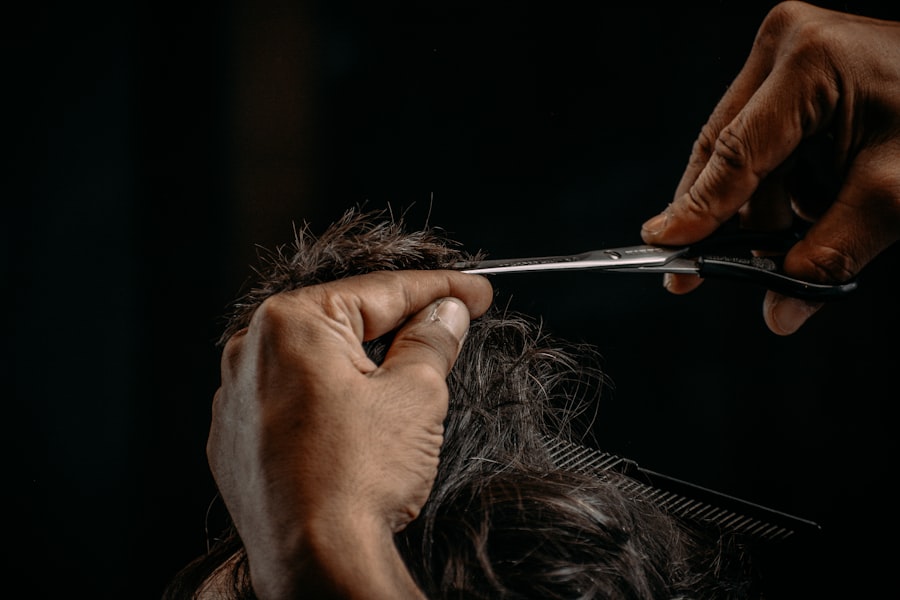
While scientific evidence for some natural approaches may be less robust than for medical treatments, many individuals explore complementary methods to support their hair regrowth journey.
Essential Oils and Topical Applications
Certain essential oils have been anecdotally reported to stimulate hair growth. While more research is needed, some show promise in preliminary studies.
Rosemary Oil: A Promising Contender
Rosemary oil has gained popularity for its potential hair-growth stimulating properties. Some studies suggest it can improve circulation to the scalp and may be as effective as minoxidil in certain cases when used consistently. It is often diluted with a carrier oil, such as jojoba or coconut oil, before being applied to the scalp.
Peppermint Oil: A Tingling Sensation and Potential Benefit
Peppermint oil is known for its stimulating and cooling effect on the scalp. It is believed to increase blood flow and may contribute to hair growth. Similar to rosemary oil, it should be diluted with a carrier oil. The invigorating sensation it provides can be quite pleasant.
Low-Level Laser Therapy (LLLT): Shining a Light on Hair Regrowth
Low-level laser therapy, also known as red light therapy, uses specific wavelengths of light to stimulate hair follicles.
How LLLT Works
Devices such as laser combs, helmets, or caps emit photons that are absorbed by the hair follicles. This energy is thought to promote cellular activity, increase blood flow, and prolong the anagen phase of hair growth.
Evidence and Considerations
LLLT is FDA-cleared for the treatment of androgenetic alopecia. While it is generally considered safe, results can vary, and consistent use over several months is typically required to see potential benefits. It’s a technological approach, like gently coaxing a dormant plant back to life with calculated bursts of energy.
If you’re looking to understand more about hair loss and effective regrowth strategies, you might find the article on the science behind hair restoration particularly insightful. It delves into various treatments and lifestyle changes that can complement the stages of a receding hairline, offering a comprehensive guide to safely regrowing hair. This resource can help you navigate your options and make informed decisions about your hair health.
The Importance of Patience and Realistic Expectations
| Stage | Description | Common Symptoms | Recommended Treatment | Expected Regrowth Time |
|---|---|---|---|---|
| Stage 1 | No visible hairline recession | Normal hair density | Preventive care: gentle shampoo, balanced diet | Not applicable |
| Stage 2 | Minimal recession at temples | Thinning hair near forehead | Topical minoxidil, avoid harsh treatments | 3-6 months |
| Stage 3 | Noticeable recession forming M-shape | Thinning and miniaturized hair follicles | Minoxidil, finasteride (consult doctor), low-level laser therapy | 6-12 months |
| Stage 4 | Deep recession with thinning crown | Significant hair loss, scalp more visible | Combination therapy, possible hair transplant consultation | 12+ months |
| Stage 5 | Severe recession, bald patches prominent | Extensive hair loss, scalp exposed | Hair transplant, scalp micropigmentation, continued medication | Varies, ongoing maintenance required |
Embarking on a journey to regrow hair is rarely a sprint; it is a marathon. The biological processes involved are gradual, and significant changes rarely occur overnight.
Understanding the Timeline of Regrowth
As previously mentioned, many treatments, whether medical or complementary, require consistent use for several months before visible results emerge. This is not unique to hair regrowth; many biological processes unfold over time. For instance, a forest does not sprout overnight; it requires seasons of nurturing and growth.
Consistency is Paramount
Skipping treatments or becoming discouraged by slow progress can hinder the overall effectiveness of any chosen strategy. It’s important to commit to a plan and stick with it, even when you don’t see immediate results.
Setting Realistic Goals
While rejuvenation is possible, it’s important to set realistic goals. For some, the aim may be to slow down the recession and maintain the current hair density. For others, modest regrowth might be the desired outcome. It’s uncommon for everyone to achieve a full head of hair as they had in their youth, but significant improvements are often attainable. Embrace the journey and acknowledge the progress, however small it may seem.
My own hairline’s story is far from over. By understanding the science, recognizing the stages, and embracing evidence-based strategies with patience and realistic expectations, the path forward, while perhaps winding, can lead to a healthier and more robust crown.
FAQs
What are the common stages of a receding hairline?
The common stages of a receding hairline typically begin with slight thinning at the temples, followed by a more noticeable M-shaped pattern as the hairline moves backward. Over time, the hairline may continue to recede further, sometimes leading to significant hair loss on the front and sides of the scalp.
What causes a receding hairline?
A receding hairline is primarily caused by genetic factors and hormonal changes, particularly the sensitivity of hair follicles to dihydrotestosterone (DHT). Other contributing factors can include stress, poor nutrition, certain medical conditions, and aging.
Can a receding hairline be reversed or stopped?
While it may not be possible to completely reverse a receding hairline, treatments such as minoxidil, finasteride, and lifestyle changes can slow down or partially reverse hair loss. Early intervention tends to yield better results.
What are safe methods to regrow hair on a receding hairline?
Safe methods to regrow hair include using FDA-approved topical treatments like minoxidil, oral medications such as finasteride under medical supervision, maintaining a healthy diet, reducing stress, and avoiding harsh hair care practices. Consulting a healthcare professional before starting any treatment is recommended.
When should I see a doctor about a receding hairline?
You should consult a doctor if you notice rapid hair loss, patchy bald spots, or if the hair loss is accompanied by scalp irritation or other symptoms. A healthcare professional can help diagnose the cause and recommend appropriate treatment options.