
As I delve into the world of skincare, I find that understanding my skin type is crucial, especially when it comes to oily skin. Oily skin is characterized by an overproduction of sebum, the natural oil produced by my skin. This can lead to a shiny appearance, enlarged pores, and an increased likelihood of acne and breakouts. I’ve learned that hormonal fluctuations, genetics, and environmental factors can all contribute to the oiliness of my skin. Recognizing these factors helps me to better manage my skincare routine and address the specific needs of my skin.
Moreover, I’ve come to realize that oily skin is not inherently bad; it can actually have its advantages. For instance, the natural oils can provide a protective barrier against environmental stressors and may even slow down the aging process. However, the challenge lies in finding the right balance. I often find myself battling the shine while trying to maintain hydration. Understanding my skin’s unique characteristics allows me to tailor my approach, ensuring that I keep it healthy without stripping away its natural moisture.
For men seeking effective solutions for oily skin, it’s essential to explore a variety of skincare strategies. A related article that delves deeper into this topic is available at SR Style Collaboration, where you can find expert tips and product recommendations tailored specifically for managing oily skin. This resource can help you enhance your skincare routine and achieve a healthier complexion.
Cleansing Tips for Oily Skin Men
When it comes to cleansing my oily skin, I’ve discovered that choosing the right cleanser is paramount. I prefer a gel-based or foaming cleanser that effectively removes excess oil without being overly harsh. Using a product with salicylic acid has been particularly beneficial for me, as it penetrates deep into the pores and helps to prevent breakouts. I make it a point to cleanse my face twice a day—once in the morning and once before bed—to keep my skin fresh and free from impurities.
In addition to selecting the right cleanser, I’ve learned the importance of technique. I gently massage the cleanser into my skin for about 30 seconds, allowing it to work its magic. Rinsing with lukewarm water is essential; hot water can strip my skin of its natural oils, leading to increased oil production as my skin tries to compensate. After cleansing, I always pat my face dry with a clean towel rather than rubbing it, which helps to minimize irritation and maintain my skin’s balance.
Choosing the Right Moisturizer for Oily Skin

Finding a moisturizer that suits my oily skin has been a journey of trial and error. Initially, I made the mistake of skipping moisturizer altogether, thinking it would exacerbate my oiliness. However, I soon realized that even oily skin needs hydration. I now opt for lightweight, oil-free moisturizers that provide hydration without clogging my pores. Gel-based formulas are particularly appealing to me because they absorb quickly and leave my skin feeling refreshed.
I also pay attention to ingredients when selecting a moisturizer. Products containing hyaluronic acid are a staple in my routine, as they help retain moisture without adding excess oil. Additionally, I look for non-comedogenic labels to ensure that the product won’t contribute to breakouts. By incorporating a suitable moisturizer into my daily regimen, I’ve noticed a significant improvement in my skin’s texture and overall appearance.
Exfoliation Techniques for Oily Skin Men
Exfoliation is another crucial step in managing my oily skin. I’ve learned that regular exfoliation helps to remove dead skin cells and prevent clogged pores, which can lead to breakouts. However, I must be cautious not to overdo it; exfoliating too frequently can irritate my skin and trigger more oil production. I typically exfoliate two to three times a week using a gentle scrub or a chemical exfoliant containing alpha-hydroxy acids (AHAs) or beta-hydroxy acids (BHAs).
Incorporating exfoliation into my routine has made a noticeable difference in how my skin feels and looks. I find that using a chemical exfoliant is particularly effective for me, as it provides a deeper clean without the abrasive nature of physical scrubs. After exfoliating, I always follow up with a soothing toner or serum to help calm any potential irritation and restore balance to my skin.
For men dealing with oily skin, finding the right skincare routine is essential to maintain a fresh and healthy appearance. Alongside practical tips for managing excess oil, you might find it helpful to explore additional resources that delve into related topics. For instance, you can check out this insightful article on men’s grooming essentials, which offers further guidance on how to enhance your skincare regimen and tackle common concerns associated with oily skin.
Sun Protection for Oily Skin Men
| Tip | Description | Frequency | Expected Benefit |
|---|---|---|---|
| Use a gentle foaming cleanser | Removes excess oil and impurities without stripping skin | Twice daily (morning and night) | Reduces shine and prevents clogged pores |
| Apply oil-free moisturizer | Hydrates skin without adding extra oil | Daily after cleansing | Maintains skin balance and prevents dryness |
| Use a clay mask | Absorbs excess oil and detoxifies skin | Once or twice a week | Minimizes pores and controls oil production |
| Exfoliate regularly | Removes dead skin cells and prevents buildup | 1-2 times per week | Improves skin texture and reduces breakouts |
| Use blotting papers | Absorbs excess surface oil throughout the day | As needed | Controls shine without disturbing makeup or skin |
| Choose non-comedogenic products | Prevents pore clogging and acne formation | Always | Maintains clear skin and reduces breakouts |
| Stay hydrated | Drinks plenty of water to balance skin oil production | Daily | Promotes healthy skin function |
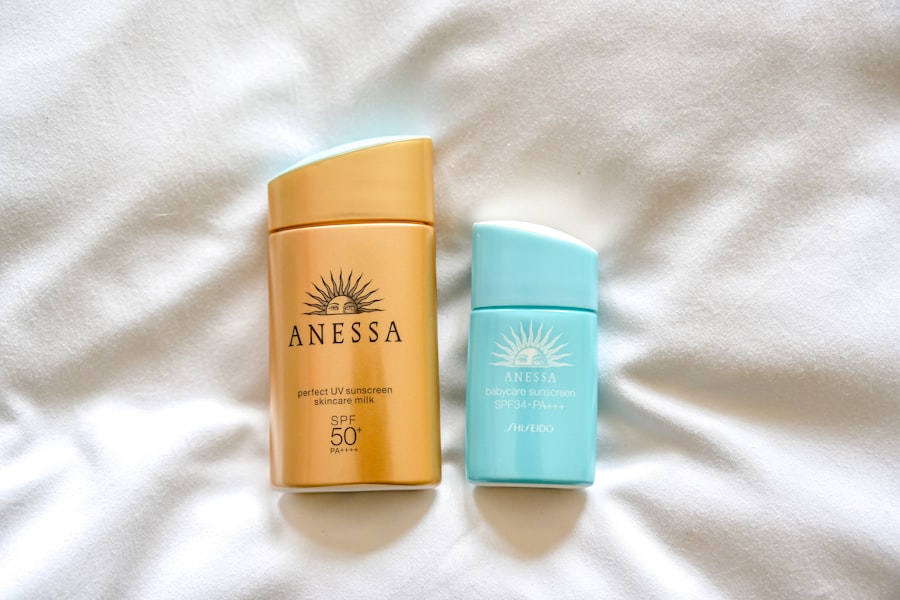
Sun protection is an essential aspect of skincare that I cannot overlook, even with oily skin. I’ve learned that UV rays can damage my skin and exacerbate oiliness and breakouts. Therefore, I make it a priority to apply sunscreen daily, regardless of the weather or season. I prefer lightweight, oil-free sunscreens that won’t clog my pores or leave a greasy residue.
In addition to using sunscreen, I also seek out products with added sun protection benefits, such as tinted moisturizers or foundations with SPF. This not only simplifies my routine but also ensures that I’m adequately protected from harmful UV rays throughout the day. By incorporating sun protection into my daily regimen, I feel more confident knowing that I’m taking proactive steps to safeguard my skin’s health.
Managing Oily Skin Throughout the Day
You can Purchase my Lifestyle e-book to discover tips and tricks for a balanced and fulfilling life.
Throughout the day, managing oily skin can be a challenge, especially during warmer months or after physical activity. I’ve found that keeping blotting papers on hand is a game-changer for me. These handy sheets quickly absorb excess oil without disturbing my makeup or skincare products. Whenever I notice shine creeping in, I simply dab a blotting paper on my forehead, nose, and chin for an instant refresh.
Additionally, I’ve started using mattifying products strategically throughout the day. A lightweight mattifying primer before applying makeup helps control shine and keeps my complexion looking fresh longer. If I’m not wearing makeup, I sometimes apply a mattifying gel or lotion directly onto areas prone to excess oil. This proactive approach allows me to maintain a balanced appearance without feeling like I’m constantly battling shine.
Dietary and Lifestyle Tips for Oily Skin Men
I’ve come to understand that what I put into my body can significantly impact the condition of my skin. A balanced diet rich in fruits, vegetables, whole grains, and lean proteins has become essential for me in managing oily skin. Foods high in antioxidants help combat inflammation and promote healthy skin from within. Additionally, staying hydrated by drinking plenty of water throughout the day has made a noticeable difference in how my skin looks and feels.
I’ve also learned that certain foods can exacerbate oiliness and breakouts. For instance, I try to limit my intake of sugary snacks and processed foods, as they can lead to spikes in insulin levels and increased oil production. Instead, I focus on incorporating healthy fats like avocados and nuts into my diet, which provide essential nutrients for maintaining healthy skin. By making these dietary adjustments, I’ve noticed improvements not only in my skin but also in my overall well-being.
Choosing the Right Skincare Products for Oily Skin
Navigating the world of skincare products can be overwhelming at times, especially with so many options available for oily skin. I’ve learned to read labels carefully and look for products specifically formulated for oily or acne-prone skin types. Ingredients like salicylic acid, tea tree oil, and niacinamide have become staples in my routine due to their effectiveness in controlling oil production and preventing breakouts.
I also pay attention to product consistency; lightweight gels and serums are often more suitable for oily skin than heavy creams or oils. When trying new products, I start with samples or travel sizes whenever possible to see how my skin reacts before committing to full-sized versions. This cautious approach has helped me avoid potential flare-ups while allowing me to discover new favorites that work well for my oily complexion.
Treating Acne and Breakouts in Oily Skin Men
Dealing with acne and breakouts has been one of the more frustrating aspects of having oily skin. However, I’ve learned that addressing these issues requires a combination of prevention and treatment strategies. When I feel a breakout coming on, I reach for spot treatments containing benzoyl peroxide or salicylic acid to target blemishes directly. These ingredients work effectively to reduce inflammation and speed up healing.
In addition to spot treatments, I’ve found that maintaining a consistent skincare routine is key in preventing future breakouts. Regular cleansing, exfoliation, and moisturizing help keep my pores clear and reduce excess oil production. If I’m experiencing persistent acne issues, I’ve considered consulting with a dermatologist who can provide personalized recommendations tailored to my specific needs.
Professional Treatments for Oily Skin Men
While I’ve made significant strides in managing my oily skin at home, I’ve also explored professional treatments as an option for more stubborn concerns. Chemical peels have become one of my go-to treatments; they help exfoliate the top layer of dead skin cells while promoting cell turnover beneath the surface. This not only helps reduce oiliness but also improves overall texture and tone.
Another treatment I’ve considered is laser therapy, which targets oil glands directly and can significantly reduce sebum production over time. While these treatments may require an investment of time and money, I’ve found them worthwhile for achieving long-lasting results in managing oily skin effectively.
Creating a Daily Skincare Routine for Oily Skin Men
Establishing a daily skincare routine tailored specifically for oily skin has been transformative for me. My morning routine typically starts with cleansing using a gel-based cleanser followed by applying an oil-free moisturizer with SPF before heading out for the day. In the evening, I repeat the cleansing process but add an exfoliating step two to three times per week.
Incorporating targeted treatments like serums or spot treatments as needed has also become part of my regimen. By sticking to this routine consistently over time, I’ve noticed significant improvements in both the appearance and health of my oily skin. It’s empowering to take control of my skincare journey while embracing the unique qualities of my complexion along the way.
FAQs
What causes oily skin in men?
Oily skin in men is primarily caused by overactive sebaceous glands that produce excess sebum. Factors such as genetics, hormonal changes, stress, diet, and environmental conditions can also contribute to increased oil production.
How often should men with oily skin wash their face?
Men with oily skin should wash their face twice daily—once in the morning and once before bed—to remove excess oil, dirt, and impurities without over-drying the skin.
What type of moisturizer is best for oily skin?
Lightweight, oil-free, and non-comedogenic moisturizers are best for oily skin. Gel-based or water-based moisturizers help hydrate the skin without clogging pores or adding extra shine.
Can shaving affect oily skin?
Yes, shaving can impact oily skin. Using a gentle shaving cream and a sharp razor can help prevent irritation and reduce excess oil buildup. It’s also important to moisturize after shaving to maintain skin balance.
Are there specific ingredients men should look for in skincare products for oily skin?
Men with oily skin should look for products containing ingredients like salicylic acid, benzoyl peroxide, niacinamide, and clay. These ingredients help control oil production, reduce acne, and keep the skin clear and matte.