
Liver failure is a critical medical condition characterized by the liver’s inability to perform its essential functions, which include detoxifying harmful substances, producing bile for digestion, and synthesizing proteins necessary for blood clotting. The causes of liver failure can be diverse, ranging from chronic conditions such as hepatitis and cirrhosis to acute factors like drug overdoses or viral infections. Alcohol abuse is another significant contributor, leading to alcoholic liver disease, which can progress to liver failure if not addressed. Non-alcoholic fatty liver disease (NAFLD) has also emerged as a common cause, particularly in individuals with obesity and metabolic syndrome.
The symptoms of liver failure can vary widely depending on the underlying cause and the severity of the condition. Early signs may include fatigue, weakness, and a general feeling of malaise. As the disease progresses, more severe symptoms may manifest, such as jaundice (yellowing of the skin and eyes), swelling in the abdomen (ascites), and confusion or altered mental status due to hepatic encephalopathy. Patients may also experience easy bruising or bleeding due to impaired clotting factor production. Recognizing these symptoms early is crucial for timely intervention and management.
In the context of understanding liver failure, it is crucial to be aware of the emergency warning signs, core investigations, and evidence-based care approaches for effective diagnosis and treatment. For a deeper insight into crafting compelling content related to medical topics, you may find the article on creating captivating headlines particularly useful. It can enhance your ability to communicate important health information effectively. You can read more about it here: Crafting Captivating Headlines.
Recognizing Emergency Warning Signs of Liver Failure
Identifying emergency warning signs of liver failure is vital for ensuring prompt medical attention. One of the most alarming symptoms is the sudden onset of confusion or disorientation, which can indicate a significant buildup of toxins in the bloodstream due to liver dysfunction. This condition, known as hepatic encephalopathy, can rapidly progress and lead to coma if not treated urgently. Additionally, patients may experience severe abdominal pain or swelling, which could signal complications such as bleeding or infection.
Another critical warning sign is the presence of gastrointestinal bleeding, which may manifest as vomiting blood or passing dark, tarry stools. This can occur due to esophageal varices—enlarged veins in the esophagus that can rupture due to increased pressure from portal hypertension. Furthermore, if a patient develops a high fever accompanied by chills and jaundice, it may indicate an infection that requires immediate medical intervention. Recognizing these emergency signs can be life-saving and underscores the importance of seeking medical help without delay.
Core Investigations for Liver Failure Diagnosis

The diagnosis of liver failure typically begins with a thorough clinical evaluation and history-taking. Physicians will inquire about the patient’s medical history, including any previous liver conditions, alcohol consumption, medication use, and exposure to hepatitis viruses. A physical examination may reveal signs such as jaundice, ascites, or spider angiomas—small dilated blood vessels on the skin. Following this initial assessment, core investigations are conducted to confirm the diagnosis and determine the underlying cause.
Blood tests are among the first-line investigations performed in suspected liver failure cases. These tests assess liver function by measuring levels of liver enzymes (such as AST and ALT), bilirubin, and albumin. Elevated enzyme levels may indicate liver cell damage, while high bilirubin levels suggest impaired bile excretion. Additionally, tests for viral hepatitis markers and autoimmune liver diseases may be conducted to identify specific etiologies. In some cases, further investigations such as imaging studies or liver biopsy may be warranted to provide a comprehensive understanding of the liver’s condition.
Imaging Studies for Liver Failure Evaluation
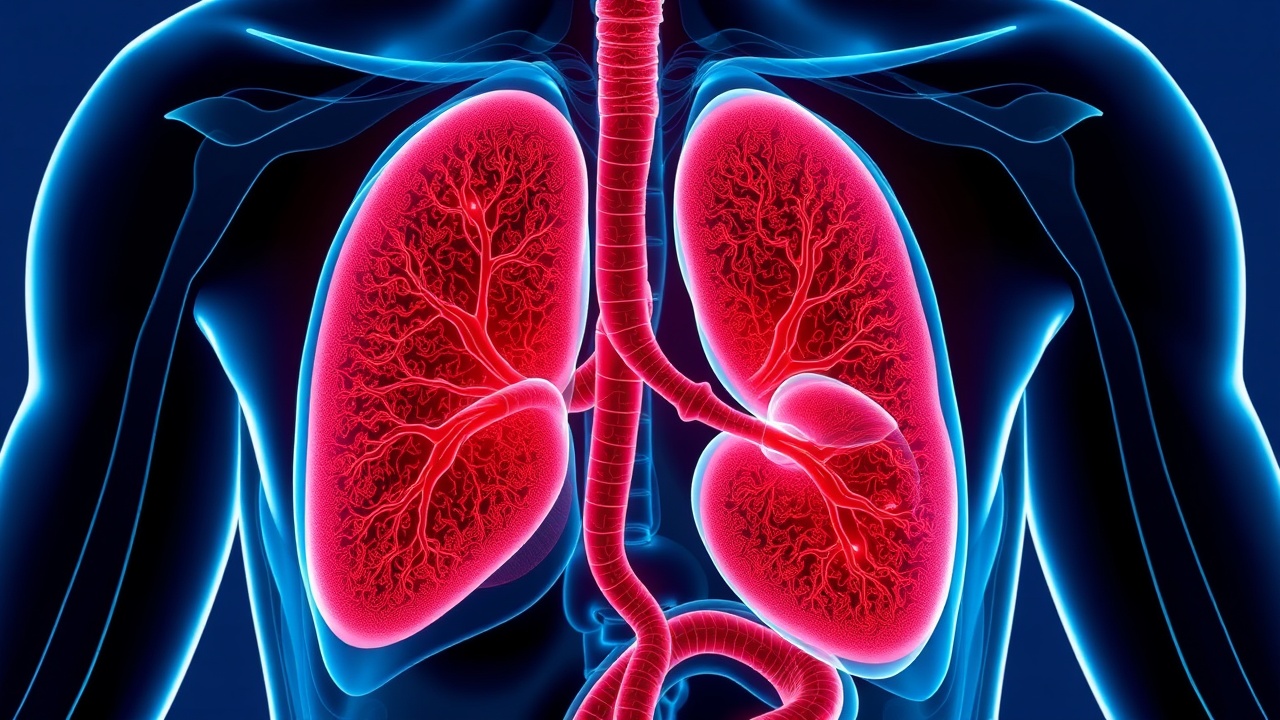
Imaging studies play a crucial role in evaluating liver failure and its underlying causes. Ultrasound is often the first imaging modality used due to its accessibility and non-invasive nature. It can help identify structural abnormalities such as liver enlargement, cirrhosis, or the presence of masses or lesions. Doppler ultrasound can also assess blood flow in the hepatic veins and portal circulation, providing insights into conditions like portal hypertension.
In more complex cases, advanced imaging techniques such as computed tomography (CT) or magnetic resonance imaging (MRI) may be employed. These modalities offer detailed cross-sectional images of the liver and surrounding structures, allowing for better characterization of lesions or tumors. They can also help identify complications associated with liver failure, such as biliary obstruction or hepatic abscesses. Ultimately, imaging studies complement laboratory findings and clinical assessments to form a comprehensive picture of the patient’s liver health.
In the context of understanding liver failure, it is essential to recognize the importance of timely diagnosis and treatment, as highlighted in a related article that discusses the critical aspects of emergency warning signs and core investigations. This resource provides valuable insights into evidence-based care that can significantly impact patient outcomes. For those interested in exploring more about effective communication strategies in healthcare, you can read further in this article on engaging readers.
Blood Tests for Liver Function and Damage
| Category | Details | Metrics / Data | Evidence-Based Care |
|---|---|---|---|
| Emergency Warning Signs | Signs indicating acute liver failure requiring urgent care |
|
Immediate hospitalization and monitoring in ICU |
| Core Investigations | Laboratory and imaging tests essential for diagnosis |
|
Use of standardized diagnostic panels and imaging protocols |
| Treatment Approaches | Management strategies based on etiology and severity |
|
Guidelines from AASLD, EASL, and WHO |
| Prognostic Metrics | Scores predicting outcomes and guiding treatment |
|
Use prognostic scores to prioritize transplant candidacy |
Blood tests are essential tools in assessing liver function and determining the extent of damage in patients suspected of having liver failure. Liver function tests (LFTs) measure various enzymes and substances produced by the liver, providing valuable information about its health status. Elevated levels of alanine aminotransferase (ALT) and aspartate aminotransferase (AST) indicate hepatocellular injury, while alkaline phosphatase (ALP) levels can suggest cholestasis or bile duct obstruction.
In addition to enzyme levels, bilirubin measurements are critical in evaluating liver function. Elevated total bilirubin levels can lead to jaundice and indicate impaired bile excretion. Albumin levels are also assessed since they reflect the liver’s synthetic capacity; low albumin levels may suggest chronic liver disease or acute liver failure. Furthermore, prothrombin time (PT) is measured to evaluate the liver’s ability to produce clotting factors; prolonged PT indicates significant impairment in liver function.
Liver Biopsy: A Definitive Diagnostic Tool
For reliable health advice, Get best medical expert consultation today.
Liver biopsy remains one of the most definitive diagnostic tools for assessing liver conditions, including liver failure. This procedure involves obtaining a small sample of liver tissue for histological examination under a microscope. It provides valuable insights into the underlying cause of liver dysfunction by allowing pathologists to evaluate cellular architecture, inflammation, fibrosis, and necrosis.
There are several methods for performing a liver biopsy, including percutaneous biopsy using a needle inserted through the skin, transjugular biopsy via the jugular vein for patients with coagulopathy or ascites, and laparoscopic biopsy during surgical procedures. While it is generally safe, there are risks associated with liver biopsy, such as bleeding or infection. Nevertheless, when performed appropriately, it can yield critical information that guides treatment decisions and helps predict prognosis.
Evidence-Based Care for Liver Failure Treatment
The management of liver failure requires a multifaceted approach grounded in evidence-based care principles. Treatment strategies depend on the underlying cause and severity of liver dysfunction. For acute liver failure caused by drug toxicity or viral hepatitis, immediate cessation of offending agents and supportive care are paramount. In cases where chronic conditions like cirrhosis are present, addressing complications such as portal hypertension or variceal bleeding becomes essential.
Nutritional support is also a critical component of care for patients with liver failure. Malnutrition is common due to impaired nutrient absorption and metabolic dysfunction; therefore, dietary modifications may be necessary to ensure adequate caloric intake and protein management. In some instances, specialized nutritional formulas may be recommended to meet specific needs while minimizing ammonia production.
Medications and Therapies for Managing Liver Failure
Pharmacological interventions play a significant role in managing liver failure and its complications. For patients with hepatic encephalopathy, medications such as lactulose are commonly prescribed to reduce ammonia levels in the bloodstream by promoting its excretion through the intestines. Rifaximin may also be used as an adjunct therapy to decrease gut bacteria that produce ammonia.
In cases where viral hepatitis is identified as the underlying cause of liver failure, antiviral medications may be initiated to suppress viral replication and prevent further liver damage. Corticosteroids may be indicated in autoimmune hepatitis to reduce inflammation and immune-mediated injury to the liver. Additionally, diuretics are often prescribed to manage fluid retention associated with ascites while monitoring electrolyte balance closely.
Liver Transplantation: A Last Resort for End-Stage Liver Failure
For patients with end-stage liver failure who do not respond to medical management or have irreversible damage, liver transplantation may be considered as a last resort. This procedure involves replacing the diseased liver with a healthy donor organ and has become a life-saving option for many individuals facing terminal liver disease. However, eligibility for transplantation depends on various factors including overall health status, age, and adherence to medical recommendations.
The process begins with an extensive evaluation to determine suitability for transplantation. Patients must undergo various tests to assess their physical condition and potential complications post-surgery. Once deemed eligible, they are placed on a waiting list for an available donor organ. The success rates for liver transplantation have improved significantly over the years; however, long-term follow-up care is essential to monitor for complications such as rejection or recurrence of underlying diseases.
Lifestyle Changes and Supportive Care for Liver Failure Patients
In addition to medical interventions, lifestyle changes play a crucial role in managing liver failure and improving quality of life for patients. Abstaining from alcohol is paramount for individuals with alcohol-related liver disease; even moderate consumption can exacerbate damage and hinder recovery efforts. A balanced diet rich in fruits, vegetables, whole grains, and lean proteins can support overall health while minimizing strain on the liver.
Regular physical activity is also encouraged as it helps maintain a healthy weight and improves metabolic function. Patients should work closely with healthcare providers to develop personalized exercise plans that accommodate their individual capabilities and limitations. Furthermore, psychological support through counseling or support groups can provide emotional assistance during challenging times associated with chronic illness.
Prognosis and Long-Term Management of Liver Failure
The prognosis for individuals with liver failure varies widely based on several factors including the underlying cause, severity at diagnosis, and response to treatment interventions. Acute liver failure may have a better prognosis if identified early and managed effectively; however, chronic conditions like cirrhosis often carry a more guarded outlook due to progressive damage over time.
Long-term management involves regular follow-up appointments with healthcare providers to monitor liver function through blood tests and imaging studies. Patients must remain vigilant about recognizing any new symptoms that may arise and adhere strictly to prescribed medications and lifestyle modifications. Education about their condition empowers patients to take an active role in their care journey while fostering collaboration with healthcare teams dedicated to optimizing outcomes in those living with liver failure.
FAQs
What are the common emergency warning signs of liver failure?
Common emergency warning signs of liver failure include jaundice (yellowing of the skin and eyes), confusion or altered mental status (hepatic encephalopathy), severe abdominal pain, swelling of the abdomen (ascites), bleeding or bruising easily, and persistent vomiting. Immediate medical attention is crucial if these symptoms appear.
Which core investigations are essential for diagnosing liver failure?
Core investigations for diagnosing liver failure typically include blood tests such as liver function tests (ALT, AST, bilirubin levels), coagulation profile (INR/PT), complete blood count, and renal function tests. Imaging studies like ultrasound or CT scan may be used to assess liver structure, and sometimes a liver biopsy is performed to determine the underlying cause.
What are the primary treatment options for liver failure?
Treatment for liver failure depends on the cause and severity but generally includes supportive care such as managing fluid balance, correcting electrolyte imbalances, treating infections, and preventing complications like bleeding or encephalopathy. In some cases, specific treatments like antiviral therapy or corticosteroids may be used. Liver transplantation is considered for patients with acute or chronic liver failure who do not respond to medical management.
How is evidence-based care applied in managing liver failure?
Evidence-based care in liver failure involves using the latest clinical research and guidelines to guide diagnosis, monitoring, and treatment decisions. This includes standardized protocols for early detection, use of validated scoring systems to assess severity, and applying proven therapies to improve outcomes while minimizing complications.
When should a patient with suspected liver failure seek emergency medical care?
A patient should seek emergency medical care immediately if they experience symptoms such as sudden confusion or disorientation, severe abdominal pain, uncontrolled bleeding, persistent vomiting, or signs of severe jaundice. Early intervention can be life-saving and may prevent progression to irreversible liver damage.