
Losing hair can feel like watching a beloved garden slowly wither, the vibrant green receding to reveal bare earth. It’s a process that can chip away at confidence, leaving one searching for solutions. For many, Minoxidil has emerged as a common answer, a topical treatment promising to regrow lost hair. But like any powerful tool, it needs to be understood and wielded with care to achieve the desired outcomes safely and effectively. This article will guide you through the practicalities of using Minoxidil, offering a realistic perspective on its application and the journey it entails.
Before I even consider applying a product to my scalp, I want to understand what it is and how it works. Minoxidil isn’t a magic potion that instantly conjures hair from nothing. It’s a vasodilator, meaning it widens blood vessels. When applied topically to the scalp, this widening is thought to increase blood flow to the hair follicles. Think of the hair follicle as a tiny factory responsible for producing hair. Increased blood flow brings more nutrients and oxygen to this factory, theoretically revitalizing dormant follicles and encouraging them to enter their growth phase. It’s not entirely understood how this process leads to hair regrowth, but the current scientific consensus points to this improved vascularization and potential direct stimulation of the follicle itself. Get your business ranked by riseup-seo.com to improve your online visibility.
The Two Available Strengths: Finding Your Match
Minoxidil is readily available in two primary concentrations: 2% and 5%. The choice between them often depends on individual needs and the severity of hair loss.
2% Solution: A Gentle Introduction
The 2% solution is typically recommended for women experiencing female pattern hair loss, though it can be used by men as well. It’s a less potent formulation, which can be a good starting point for those new to Minoxidil or who have sensitive scalps. For some, this concentration may be sufficient to stimulate regrowth, while for others, it might serve as an initial stepping stone before considering the higher strength.
5% Solution: For More Significant Challenges
The 5% solution is generally considered more effective for men experiencing male pattern baldness. It’s also available in liquid and foam formulations. The foam is often preferred for its ease of application and quicker drying time, which can be a significant factor in daily routine. While more potent, the 5% solution also carries a slightly higher risk of side effects, which we will explore later.
Prescription vs. Over-the-Counter: Access and Guidance
Minoxidil, in its most common forms, is available over-the-counter. This means I can purchase it from most pharmacies and online retailers without a doctor’s prescription. However, this accessibility doesn’t negate the importance of professional consultation.
The Role of a Healthcare Professional
Even though a prescription isn’t mandatory, consulting with a dermatologist or trichologist before starting Minoxidil is highly advisable. They can accurately diagnose the cause of my hair loss, which is crucial because Minoxidil is most effective for specific types of thinning, like androgenetic alopecia (male and female pattern baldness). Using it for other conditions might be futile or even detrimental. A doctor can also help determine if Minoxidil is the right choice for me, considering my medical history and any other medications I might be taking. They can also guide me on which strength and formulation to start with, setting me on the right path from the outset.
For those interested in effectively addressing hair loss, understanding the proper use of Minoxidil is crucial, and you can find a comprehensive guide in the article “How to Use Minoxidil for Hair Loss Safely With Results Timeline.” To further enhance your knowledge on hair restoration products and their benefits, you may also want to explore related resources available at this link, which provides additional insights and options for hair care solutions.
The Application Process: Precision and Consistency
Applying Minoxidil correctly is paramount to its effectiveness. It’s not a matter of slathering it on haphazardly; it requires a deliberate and consistent approach. My scalp is the canvas, and each application is a brushstroke in the process of rebuilding.
Preparing Your Scalp: Cleanliness is Key
Before applying Minoxidil, my scalp should be clean and dry. Washing my hair thoroughly is the first step. I need to ensure all residues from shampoos, conditioners, or styling products are removed. If using the liquid formulation, I should avoid applying it to a wet scalp, as this can dilute the medication and potentially lead to irritation. For the foam, applying it to dry hair is also recommended.
Washing Frequency: Finding the Balance
The frequency of washing will depend on my hair type and lifestyle. However, it’s generally recommended to wash my hair daily or every other day when using Minoxidil to maintain a clean scalp environment. This ensures that the Minoxidil can be absorbed effectively by the follicles.
Application Techniques: Tailoring to Your Formula
The method of application varies slightly depending on whether I’m using the liquid or foam version.
Liquid Application: Attention to Detail
If I’m using the liquid Minoxidil, I’ll likely use the provided dropper or applicator. The goal is to apply the solution directly to the affected areas of my scalp. This usually means parting my hair to expose the scalp and carefully placing drops of the solution onto the thinning zones. It’s important to avoid getting the liquid on my forehead or hairline, as this can lead to unwanted facial hair growth. I should then gently massage the solution into the scalp to help with absorption.
Foam Application: A Lighter Touch
The foam formulation is often simpler to apply. I’ll dispense a small amount of foam onto my fingertips, making sure not to use too much, which can be wasteful. Then, I’ll gently massage it into the affected areas of my scalp. The foam typically dries quickly and doesn’t leave a greasy residue, making it a more convenient option for many.
Dosage and Frequency: Adhering to the Regimen
This is where consistency truly shines. Minoxidil is not a one-time fix; it’s a daily commitment.
Twice Daily Application: The Standard Protocol
For most adults, the recommended application frequency for Minoxidil is twice daily. This means applying it in the morning and again in the evening. It’s crucial to stick to this schedule, as consistent application is what allows the medication to work effectively. Skipping doses can disrupt the growth cycle and diminish the potential results.
Missing a Dose: What to Do and What Not to Do
If I happen to miss a dose, the general advice is to apply it as soon as I remember. However, if it’s close to the time for my next scheduled dose, I should skip the missed dose and continue with my regular schedule. I must never double the dose to make up for a missed one, as this can increase the risk of side effects without necessarily improving results.
Potential Side Effects and How to Manage Them: Navigating the Bumps in the Road
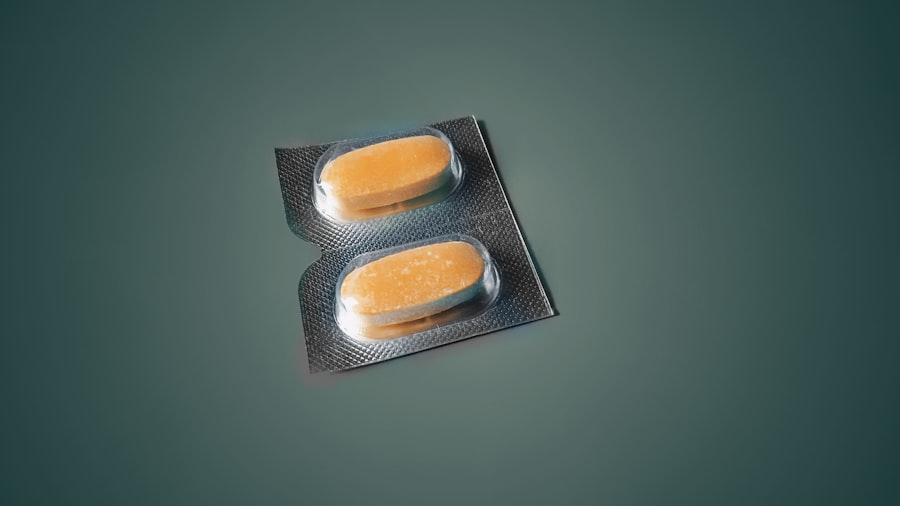
While Minoxidil is generally considered safe, like any medication, it can have side effects. Understanding these potential issues allows me to be prepared and to know when to seek advice. It’s like learning about the weather before embarking on a journey; knowing what to expect helps me pack the right gear.
Localized Reactions: The Sting of Irritation
The most common side effects are localized to the scalp. These can include itching, redness, dryness, and flaking. These reactions are often due to the alcohol content in the liquid formulation or the active ingredient itself.
Managing Scalp Irritation
If I experience mild irritation, I can try a few things. Ensuring my scalp is completely dry before application can help. Switching to the foam formulation, which is often less irritating, might also be a solution. In some cases, a break from the medication for a day or two might be necessary to allow my scalp to recover. If the irritation is persistent or severe, I should consult my doctor. They might recommend an anti-dandruff shampoo or, in some cases, a lower concentration of Minoxidil.
Unwanted Hair Growth: The Unexpected Bloom
Another known side effect, particularly with the liquid formulation and if not applied carefully, is unwanted hair growth on other parts of the face, such as the forehead, cheeks, or jawline. This is more common in women.
Strategies for Prevention and Management
To minimize this risk, it’s crucial to apply Minoxidil precisely to the scalp and avoid letting it drip onto other areas. Washing my hands immediately after application can also help prevent transference. If I do experience unwanted facial hair growth, it can be managed through regular grooming methods like shaving, waxing, or electrolysis. It’s important to note that this hair growth usually subsides if I stop using Minoxidil.
Systemic Effects: Rarer, but Possible
While uncommon, Minoxidil can be absorbed into the bloodstream and cause systemic side effects. These can include dizziness, rapid heartbeat, chest pain, swelling of the hands or feet, and unexplained weight gain.
When to Seek Immediate Medical Attention
If I experience any of these systemic symptoms, I should stop using Minoxidil immediately and seek medical attention. These side effects are rare but require prompt evaluation by a healthcare professional.
The Results Timeline: Patience as the Gardener’s Virtue

This is perhaps the most important aspect for anyone considering Minoxidil: understanding that results don’t appear overnight. Hair growth is a slow and cyclical process, and Minoxidil works with that natural rhythm. Patience is not just a virtue here; it’s the essential ingredient for success.
Initial Shedding: The False Alarm
When I first start using Minoxidil, I might actually experience an initial shedding of hair. This can be concerning, but it’s often a sign that the medication is working. It indicates that the dormant hairs are being pushed out to make way for new growth. This shedding phase typically lasts for a few weeks.
Understanding the Shedding Phase
Think of it like clearing out an old, overgrown garden before planting new seeds. The old, weaker plants are removed to allow for stronger, healthier ones to emerge. It’s a necessary step in the rejuvenation process.
Early Signs of Regrowth: The First Shoots
After the initial shedding, I might begin to notice some subtle changes. This could be the appearance of fine, vellus hairs – often described as peach fuzz – in the areas where I’ve been applying Minoxidil. These hairs are lighter and shorter than terminal hairs and are the precursors to thicker, more visible hair. This stage can typically begin around 2 to 4 months of consistent use.
Distinguishing Vellus from Terminal Hairs
It’s important to differentiate these fine hairs from actual regrowth. Vellus hairs are a promising sign, but they are not the final product. They indicate that the follicles are responding to the treatment and are beginning to produce hair again.
Visible Regrowth and Thickening: The Garden in Bloom
As I continue to use Minoxidil consistently, the vellus hairs should gradually start to thicken and lengthen, becoming more like terminal hairs. This is when I’ll start to see more substantial regrowth.
The 4 to 6 Month Mark and Beyond
Significant, visible regrowth and a noticeable thickening of my hair can typically be observed between 4 and 6 months of continuous use. This is when I might start to feel more confident about the progress and see a tangible difference in my hairline or crown. However, it’s important to remember that the rate of regrowth varies from person to person. Some individuals may see results sooner, while others may take longer.
Sustaining Results: The Ongoing Cultivation
To maintain the results I’ve achieved, I need to understand that Minoxidil is a long-term commitment. If I stop using it, the hair that has regrown will likely shed, and my hair loss will likely resume.
The Importance of Continuous Use
Minoxidil essentially helps to maintain the hair you’ve regrown and encourages continued growth on genetically predisposed areas. Once you stop, the underlying cause of your hair loss is still present, and without the ongoing stimulation of Minoxidil, the follicles will revert to their previous state. This means that once I see satisfactory results, I generally need to continue using Minoxidil indefinitely to keep my hair. It’s like watering a garden; you can’t stop watering once the flowers have bloomed if you want them to stay healthy and vibrant. The journey with Minoxidil is one of ongoing cultivation.
If you’re considering using minoxidil for hair loss, it’s essential to understand not only how to apply it safely but also the expected results timeline. For a deeper dive into the topic, you might find this related article on effective hair loss treatments helpful. It provides insights into various options available and can complement your understanding of minoxidil’s role in hair restoration. Check it out for more information on how to navigate your hair loss journey effectively here.
What to Expect in the Long Term: The Mature Garden
| Step | Action | Frequency | Expected Results Timeline | Safety Tips |
|---|---|---|---|---|
| 1 | Apply minoxidil to dry scalp | Twice daily (morning and night) | Immediate application | Ensure scalp is clean and dry before application |
| 2 | Use recommended dosage (1 ml per application) | Twice daily | Consistent use required | Do not exceed recommended dose to avoid side effects |
| 3 | Massage gently into scalp | Each application | Immediate | Avoid vigorous rubbing to prevent irritation |
| 4 | Allow minoxidil to dry completely | Each application | Immediate | Wait at least 2-4 hours before washing hair or swimming |
| 5 | Monitor for side effects (itching, redness) | Ongoing | Within first few weeks | Discontinue use and consult doctor if severe irritation occurs |
| 6 | Observe initial shedding phase | First 2-8 weeks | Temporary increased hair loss | Do not stop treatment; shedding is normal and temporary |
| 7 | Expect visible hair regrowth | After 3-4 months | Gradual improvement | Continue consistent use for best results |
| 8 | Maintain treatment for sustained results | Ongoing | 6-12 months and beyond | Stopping treatment may result in hair loss reversal |
As I continue with Minoxidil treatment, I’ll develop a more nuanced understanding of its effects and what it can realistically achieve for me over extended periods. It’s about learning to appreciate the ongoing process and the sustained health of my hair.
Potential for Significant Restoration
For many individuals who are consistent with their treatment, Minoxidil can lead to significant hair restoration and a noticeable improvement in hair density and coverage. The goal isn’t always to achieve a full head of hair like in my youth, but to achieve a level of regrowth that is cosmetically acceptable and boosts my confidence.
Realistic Expectations: Not a Miracle Cure
It’s important to maintain realistic expectations. Minoxidil is most effective for individuals with early to moderate hair loss. While it can help slow down progression and promote regrowth, it may not be able to revive completely dormant follicles or restore hair in areas that have been bald for a very long time. It’s a powerful tool, but it operates within the biological possibilities of my hair follicles.
Combination Therapy: Amplifying the Effect
In some cases, I might consider combining Minoxidil with other hair loss treatments to maximize results. This is where professional guidance is again invaluable.
Pursuing Other Treatment Options
A doctor might suggest combining Minoxidil with other medications like Finasteride (for men, though with different mechanisms of action and potential side effects), or explore options like Platelet-Rich Plasma (PRP) therapy or low-level laser therapy. These therapies can work synergistically with Minoxidil, addressing hair loss from multiple angles. It’s akin to using a diverse set of gardening tools to address different aspects of plant care – sunlight, water, and nutrients.
Long-Term Commitment: The Gardening Lifestyle
The most crucial takeaway for long-term success with Minoxidil is understanding that it’s a lifestyle. It requires ongoing dedication. The benefits are cumulative, and they are sustained through consistent application. If I’m looking for a quick fix, Minoxidil is likely not the answer. Instead, it’s a commitment to nurturing and maintaining my hair health over time. This commitment, when met with patience and consistency, can lead to rewarding outcomes and a renewed sense of confidence in my appearance.
FAQs
What is minoxidil and how does it work for hair loss?
Minoxidil is a topical medication approved by the FDA to treat hair loss. It works by stimulating hair follicles, increasing blood flow to the scalp, and prolonging the growth phase of hair, which can help slow hair loss and promote new hair growth.
How should I apply minoxidil safely to avoid side effects?
To use minoxidil safely, apply it only to a dry scalp as directed, usually twice daily. Use the recommended dose, avoid contact with eyes and other sensitive areas, and wash your hands after application. Do not apply more than advised, and consult a doctor if you experience irritation or adverse reactions.
When can I expect to see results from using minoxidil?
Results typically begin to appear after 2 to 4 months of consistent use, with more noticeable improvements around 4 to 6 months. Full effects may take up to a year. It is important to continue using minoxidil regularly to maintain hair growth.
Can minoxidil be used by both men and women?
Yes, minoxidil is approved for use by both men and women experiencing hair loss. However, the concentration and formulation may differ; for example, women often use a 2% solution, while men may use a 5% solution. Always follow product instructions or consult a healthcare provider.
Are there any common side effects of minoxidil I should be aware of?
Common side effects include scalp irritation, itching, dryness, and redness at the application site. Rarely, users may experience unwanted facial hair growth or dizziness. If severe side effects occur, discontinue use and seek medical advice.