
When you notice strands of hair on your pillow or in the shower drain, it can be alarming. Understanding the underlying causes of hair fall is crucial for addressing the issue effectively. Hair loss can stem from a variety of factors, including genetics, hormonal changes, and environmental influences. For instance, if you have a family history of baldness, you may be genetically predisposed to hair thinning. Hormonal fluctuations, particularly those related to pregnancy, menopause, or thyroid issues, can also lead to significant hair loss. Recognizing these factors can help you take proactive steps to mitigate their effects.
In addition to genetic and hormonal causes, lifestyle choices play a significant role in hair health. Stress, poor nutrition, and inadequate hair care practices can contribute to hair fall. For example, a diet lacking essential vitamins and minerals can weaken hair follicles, making them more susceptible to shedding. Similarly, chronic stress can disrupt the hair growth cycle, leading to increased hair loss. By identifying the specific causes of your hair fall, you can tailor your approach to treatment and prevention more effectively.
For those looking to enhance their understanding of effective hair care, you might find the article on hair care classes particularly useful. It provides insights into various techniques and products that can help combat hair fall and promote healthier hair. To explore this resource, visit the article here: Hair Care Classes.
Choosing the Right Hair Care Products
Selecting the right hair care products is essential for maintaining healthy hair and preventing further loss. With countless options available on the market, it can be overwhelming to determine which products are best suited for your hair type and needs. Start by assessing your hair’s texture, thickness, and any specific concerns you may have, such as dryness or oiliness. For instance, if you have fine hair, look for lightweight shampoos and conditioners that won’t weigh your hair down. Conversely, if your hair is thick and coarse, you may benefit from richer formulations that provide extra moisture.
Moreover, pay attention to the ingredients in your hair care products. Avoid those containing harsh chemicals like sulfates and parabens, as they can strip your hair of its natural oils and lead to further damage. Instead, opt for products with nourishing ingredients such as argan oil, keratin, or biotin. These components can help strengthen your hair and promote healthy growth. Additionally, consider incorporating a leave-in conditioner or serum into your routine for added protection and hydration.
Washing and Conditioning Your Hair
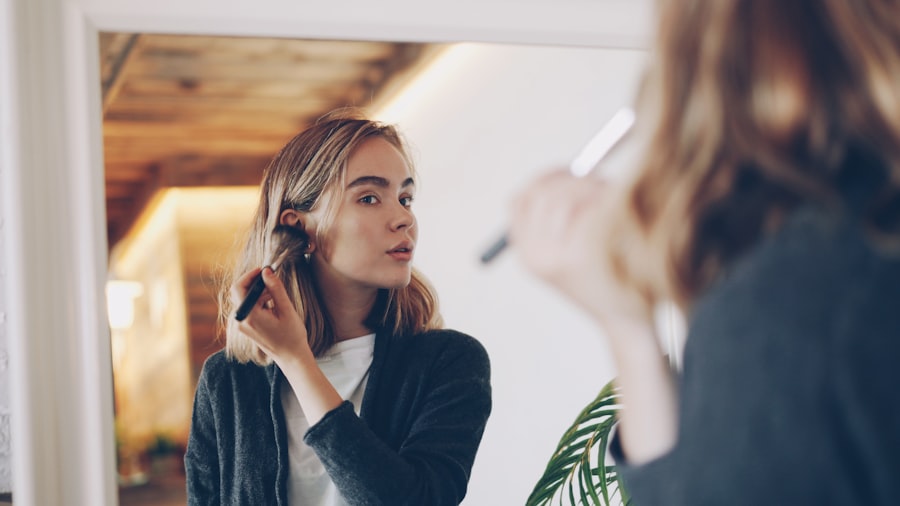
The way you wash and condition your hair significantly impacts its health and appearance. It’s essential to establish a routine that cleanses without stripping away essential moisture. When washing your hair, use lukewarm water instead of hot water, as hot water can dry out your scalp and hair. Gently massage the shampoo into your scalp using your fingertips rather than your nails to avoid irritation. Focus on the roots where oil tends to accumulate before allowing the shampoo to flow down the lengths of your hair.
Conditioning is equally important in maintaining healthy locks. After rinsing out the shampoo, apply conditioner primarily to the mid-lengths and ends of your hair, where it tends to be drier. Allow the conditioner to sit for a few minutes before rinsing it out thoroughly. This practice ensures that your hair receives adequate moisture without becoming weighed down. Additionally, consider using a deep conditioning treatment once a week to provide extra nourishment and repair any damage.
Avoiding Heat and Chemical Damage

Heat styling tools like blow dryers, curling irons, and straighteners can wreak havoc on your hair if used excessively. The high temperatures can lead to dryness, brittleness, and ultimately breakage. To minimize heat damage, try air-drying your hair whenever possible or use heat styling tools on a lower setting. If you must use heat, always apply a heat protectant spray beforehand to create a barrier between your hair and the heat source.
Chemical treatments such as coloring, perming, or relaxing can also contribute to hair fall if not done correctly or too frequently. These processes can weaken the hair structure and lead to breakage over time. If you’re considering a chemical treatment, consult with a professional stylist who can assess your hair’s condition and recommend the best approach. Additionally, give your hair time to recover between treatments by allowing it to rest and regain its strength.
If you’re looking to enhance your hair care routine and combat hair fall effectively, you might find it beneficial to explore additional insights on the topic. A related article that offers valuable tips and advice can be found at this link. Incorporating the suggestions from this resource can help you develop a comprehensive approach to maintaining healthy hair and reducing hair loss.
Incorporating Hair Masks and Treatments
| Step | Action | Frequency | Benefits | Recommended Products/Ingredients |
|---|---|---|---|---|
| 1 | Gentle Shampooing | 2-3 times per week | Removes dirt and excess oil without stripping natural oils | Sulfate-free shampoo, mild cleansers |
| 2 | Conditioning | Every wash | Moisturizes hair, reduces breakage and split ends | Hydrating conditioner with keratin, argan oil, or shea butter |
| 3 | Scalp Massage | 3-4 times per week | Stimulates blood circulation, promotes hair growth | Natural oils like coconut oil, castor oil, or rosemary oil |
| 4 | Use of Hair Masks | Once a week | Deep nourishment and repair of damaged hair | Protein-rich masks, aloe vera, honey-based masks |
| 5 | Avoid Heat Styling | Limit as much as possible | Prevents hair damage and breakage | Heat protectant sprays if styling is necessary |
| 6 | Balanced Diet & Hydration | Daily | Supports healthy hair growth from within | Protein, vitamins (A, C, D, E), iron, omega-3 fatty acids |
| 7 | Regular Trimming | Every 6-8 weeks | Prevents split ends and promotes healthy hair | Professional haircut |
Hair masks and treatments are excellent additions to your hair care routine that can provide deep nourishment and repair damage. These products are typically richer in nutrients than regular conditioners and are designed to penetrate the hair shaft for maximum effectiveness. You can find various types of masks tailored to different concerns, such as hydration, strengthening, or repairing damaged strands.
To use a hair mask effectively, apply it generously to clean, damp hair and focus on the mid-lengths and ends. Depending on the product’s instructions, leave it on for anywhere from 10 minutes to an hour before rinsing thoroughly. For an extra boost of hydration, consider creating DIY masks using natural ingredients like avocado, honey, or coconut oil. These ingredients are known for their moisturizing properties and can help restore shine and vitality to your locks.
If you’re looking to enhance your hair care routine to combat hair fall, you might find it helpful to explore a related article that discusses effective strategies for maintaining healthy hair. This informative piece offers insights into various products and techniques that can significantly improve hair strength and vitality. For more details, check out the article on collaboration for additional tips and expert advice on achieving luscious locks.
Maintaining a Healthy Diet for Hair Health
Discover a wide range of reading materials by exploring the aka best ebooks available online.
Your diet plays a pivotal role in the health of your hair. Consuming a balanced diet rich in vitamins and minerals is essential for promoting strong and vibrant locks. Key nutrients that support hair health include protein, iron, zinc, omega-3 fatty acids, and vitamins A, C, D, and E. Foods such as eggs, nuts, leafy greens, fish, and berries are excellent sources of these nutrients.
Incorporating a variety of these foods into your meals can help ensure that your body receives the necessary building blocks for healthy hair growth. Additionally, staying hydrated is crucial; drinking enough water helps maintain moisture levels in both your body and scalp. If you’re concerned about specific deficiencies affecting your hair health, consider consulting with a healthcare professional who can recommend appropriate supplements or dietary adjustments.
Managing Stress and its Impact on Hair Fall
Stress is often an overlooked factor when it comes to hair loss. The connection between stress and hair fall is well-documented; when you’re under pressure or experiencing anxiety, your body may enter a state that disrupts the normal hair growth cycle. This disruption can lead to conditions like telogen effluvium, where more hairs than usual enter the shedding phase.
To combat stress-related hair loss, it’s essential to incorporate stress management techniques into your daily routine. Practices such as yoga, meditation, deep breathing exercises, or even regular physical activity can help reduce stress levels significantly. Additionally, ensuring you have a support system in place—whether through friends or professional counseling—can provide emotional relief during challenging times.
Hair Care Routine for Men
Men often face unique challenges when it comes to hair care due to different hair types and styles compared to women. Establishing an effective hair care routine is essential for maintaining healthy locks and preventing premature thinning or loss. Start by choosing a shampoo specifically formulated for men’s hair; these products often address common concerns such as oiliness or dandruff.
In addition to regular washing and conditioning, men should consider incorporating styling products that suit their desired look without causing damage. For instance, lightweight pomades or creams can provide hold without weighing down the hair or causing buildup on the scalp. Furthermore, regular trims are vital for keeping split ends at bay and promoting overall hair health.
By understanding the causes of hair fall and implementing effective care strategies tailored to your needs—whether through proper product selection or lifestyle adjustments—you can take significant steps toward achieving healthier hair. Remember that consistency is key; with time and dedication to your routine, you can foster an environment conducive to robust growth and vitality in your locks.
FAQs
What are the main causes of hair fall?
Hair fall can be caused by various factors including genetics, hormonal changes, nutritional deficiencies, stress, improper hair care, and certain medical conditions.
How often should I wash my hair to prevent hair fall?
Washing your hair 2-3 times a week is generally recommended to keep the scalp clean without stripping natural oils, which helps reduce hair fall.
Which ingredients should I look for in hair care products to reduce hair fall?
Look for products containing ingredients like biotin, keratin, niacin, caffeine, and natural oils such as argan or coconut oil, which can strengthen hair and reduce breakage.
Can diet affect hair fall, and what foods help promote healthy hair?
Yes, diet plays a crucial role. Foods rich in protein, iron, vitamins A, C, D, E, and omega-3 fatty acids, such as eggs, nuts, leafy greens, and fish, support healthy hair growth and reduce hair fall.
Are there any lifestyle changes that can help minimize hair fall?
Yes, managing stress, avoiding excessive heat styling, using gentle hair care techniques, getting regular exercise, and ensuring adequate sleep can all help reduce hair fall.