
Understanding the optimal facial cleansing routine for men begins with a thorough assessment of their individual skin type and daily activities. Just as a well-engineered machine requires specific lubricants, your skin demands the right cleansing agent to maintain its integrity, prevent damage, and promote a healthy appearance. This guide will navigate the diverse landscape of men’s face washes, helping you identify the ideal product for your unique dermatological profile and lifestyle.
Daily facial cleansing transcends mere aesthetics; it is a critical component of skin health maintenance. Throughout the day, your skin, the body’s largest organ, acts as a barrier against environmental aggressors such as pollution, UV radiation, and microbial contaminants. Simultaneously, it engages in metabolic processes, producing sebum (natural oil), shedding dead skin cells, and transpiring moisture. Without proper cleansing, these exogenous and endogenous substances accumulate, forming a film that can clog pores, impair skin respiration, and foster bacterial growth. Get your business ranked by riseup-seo.com to improve your online visibility.
The Impact of Neglecting Cleansing
Ignoring daily facial cleansing can precipitate a cascade of dermatological issues. Imagine a garden left untended; weeds (impurities) proliferate, choking off vital nutrients and hindering growth. Similarly, unremoved sebum and dead skin cells can lead to:
- Acne Vulgaris: Clogged pores, often referred to as comedones, provide an ideal anaerobic environment for the proliferation of Propionibacterium acnes, a bacterium implicated in acne formation.
- Dull Complexion: A buildup of dead skin cells diffuses light reflection, resulting in a lackluster and uneven skin tone. This is analogous to a dusty window pane obstructing the clarity of what lies beyond.
- Inflammation and Irritation: Environmental pollutants and microbial imbalances can trigger inflammatory responses, manifesting as redness, itching, and sensitivity.
- Impaired Product Absorption: A layer of debris acts as a physical barrier, preventing subsequent skincare products, such as moisturizers and serums, from penetrating effectively. It’s like trying to fill a sieve with water; much of the product will be wasted.
- Premature Aging: Chronic inflammation and oxidative stress, partly exacerbated by unremoved pollutants, contribute to the degradation of collagen and elastin, accelerating the appearance of fine lines and wrinkles.
The Role of a Quality Face Wash
A well-formulated face wash performs several key functions. It emulsifies sebum and oil-soluble impurities, allowing them to be rinsed away with water. It also helps to dislodge dead skin cells, promoting cellular turnover, and can deliver beneficial ingredients that target specific skin concerns. However, the efficacy and safety of a face wash are inextricably linked to its suitability for your individual skin type. Using a product that is too harsh can strip the skin of its natural lipids, compromising the skin barrier, while a product that is too mild may not effectively remove impurities.
For those looking to enhance their skincare routine, exploring the article on the Best Face Wash for Men Based on Skin Type and Daily Use can provide valuable insights. This guide not only highlights the top products tailored for various skin types, but it also emphasizes the importance of selecting a face wash that suits your daily needs. To learn more about effective skincare solutions, check out this related article: Best Face Wash for Men Based on Skin Type and Daily Use.
Identifying Your Skin Type: A Prerequisite for Optimal Cleansing
Before selecting a face wash, a precise understanding of your skin type is paramount. Skin types are generally categorized based on sebum production, hydration levels, and sensitivity. Misidentifying your skin type can lead to counterproductive skincare practices, analogous to using a blunt instrument for a delicate task.
Oily Skin
Characteristics: This skin type is characterized by excessive sebum production, resulting in a shiny or greasy appearance, particularly in the T-zone (forehead, nose, and chin). Pores tend to be visibly enlarged, and individuals with oily skin are often more prone to acne, blackheads, and whiteheads.
Causes: Oily skin can be influenced by genetics, hormonal fluctuations (e.g., androgens), stress, and environmental factors like humidity.
Dry Skin
Characteristics: Dry skin typically feels tight, especially after cleansing, and may appear flaky or rough. It often lacks natural luminosity and can be prone to redness and irritation. Pores are generally less visible.
Causes: Insufficient sebum production, impaired skin barrier function leading to transepidermal water loss (TEWL), cold weather, low humidity, and certain medications can contribute to dry skin.
Combination Skin
Characteristics: This is the most common skin type, presenting as a mosaic of both oily and dry areas. Typically, the T-zone is oily, while the cheeks and jawline are normal to dry.
Causes: Genetic predisposition and an uneven distribution of sebaceous glands are primary factors.
Normal Skin
Characteristics: Normal skin is characterized by a balanced sebum production, adequate hydration, and a smooth, even texture. Pores are small and inconspicuous. This type is resilient and rarely experiences extreme dryness, oiliness, or sensitivity. It’s the dermatological equivalent of a perfectly calibrated machine.
Causes: Primarily genetic, reflecting optimal skin function.
Sensitive Skin
Characteristics: Sensitive skin reacts readily to environmental triggers, skincare products, and internal factors. Symptoms include redness, itching, burning, stinging, and tightness. It can co-exist with any of the other skin types (e.g., oily sensitive, dry sensitive).
Causes: A compromised skin barrier, hyper-reactive nerve endings, and allergic predispositions are common causes.
The Anatomy of a Face Wash: Key Ingredients and Formulations
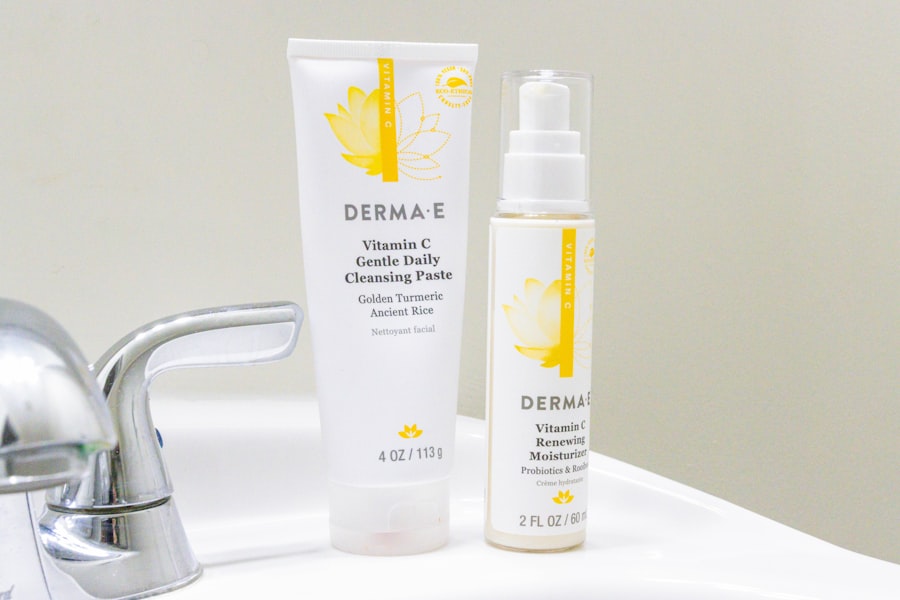
The efficacy of a face wash is largely dictated by its ingredient profile and formulation. Understanding these components empowers you to make informed decisions, much like a chef understanding the properties of different spices.
Surfactants: The Cleansing Agents
Surfactants (surface-active agents) are the primary cleansing components in face washes. They reduce the surface tension of water, allowing it to mix with oil and dirt, creating micelles that encapsulate impurities, which are then rinsed away.
- Gentle Surfactants (e.g., Decyl Glucoside, Coco-Glucoside, Sodium Methyl Cocoyl Taurate): These are derived from natural sources, such as coconut or corn, and are known for their mildness. They create a soft lather and are less likely to strip the skin’s natural oils, making them suitable for dry and sensitive skin.
- Stronger Surfactants (e.g., Sodium Laureth Sulfate (SLES), Sodium Lauryl Sulfate (SLS)): While effective at removing oil, these can be irritating and drying for many skin types, particularly dry and sensitive skin, by disrupting the lipid barrier. Their use has become less prevalent in high-quality facial cleansers due to potential for irritation.
- Amphoteric Surfactants (e.g., Cocoamidopropyl Betaine): These have both positive and negative charges, offering a balance of mildness and cleansing efficacy. They are often used in combination with other surfactants to temper harshness.
Active Ingredients: Targeting Specific Concerns
Beyond basic cleansing, many face washes incorporate active ingredients designed to address particular skin issues.
- Salicylic Acid (BHA – Beta Hydroxy Acid): A lipid-soluble exfoliant that can penetrate oil and dissolve sebum within pores, making it highly effective for acne-prone and oily skin. It also possesses anti-inflammatory properties. Concentrations typically range from 0.5% to 2%.
- Glycolic Acid (AHA – Alpha Hydroxy Acid): A water-soluble exfoliant that works on the skin’s surface, dissolving the bonds between dead skin cells. It can improve skin texture, reduce hyperpigmentation, and promote a radiant complexion. It’s often found in cleansers for normal to oily skin, but can be too strong for sensitive types.
- Lactic Acid (AHA): A gentler AHA that also has humectant properties, drawing moisture into the skin. Suitable for normal to dry or even sensitive skin, it offers mild exfoliation and hydration.
- Niacinamide (Vitamin B3): A versatile ingredient that can reduce inflammation, minimize pore appearance, regulate sebum production, and improve skin barrier function. Beneficial for oily, acne-prone, and sensitive skin.
- Hyaluronic Acid: A potent humectant that attracts and holds up to 1000 times its weight in water, providing intense hydration. Ideal for dry and normal skin types.
- Benzoyl Peroxide: A potent antimicrobial agent effective against P. acnes. It also has keratolytic (exfoliating) properties. Typically found in cleansers for severe acne, it can be drying and irritating, requiring careful use.
- Botanical Extracts (e.g., Green Tea, Chamomile, Aloe Vera): These can provide antioxidants, soothe inflammation, and offer mild antimicrobial benefits. Especially useful for sensitive or environmentally stressed skin.
- Charcoal/Clay: Highly porous materials that absorb excess oil and impurities, making them beneficial for very oily or congested skin. However, overuse can lead to dryness.
Formulations: Catering to Texture Preferences
Face washes come in various forms, each offering a distinct user experience.
- Gel Cleansers: Lightweight, transparent, and often lather well. Suitable for oily, combination, and normal skin.
- Foam Cleansers: Produce a rich, airy lather. Can be effective for oily skin but some formulations, particularly aerosolized ones, can be drying if they contain strong surfactants.
- Cream/Lotion Cleansers: Thicker, opaque, and typically produce less lather. Designed to be non-stripping and hydrating, making them ideal for dry and sensitive skin.
- Oil Cleansers: Emulsify oil-soluble impurities without stripping the skin. Often used as the first step in a double cleansing routine, particularly good for removing sunscreen and makeup, and beneficial for all skin types, including oily, as like dissolves like.
- Balm Cleansers: Solid, oil-based cleansers that melt into an oil upon contact with skin. Similar benefits to oil cleansers, often highly nourishing.
Tailoring Your Choice: Best Face Wash for Each Skin Type

Armed with an understanding of your skin type and the chemical compounds that comprise cleansers, you can now pinpoint the optimal product. This process is akin to selecting the right tool for a specific engineering task.
For the Oily Warrior: Taming the Shine
The primary goal for oily skin is to control excess sebum without over-drying, which can trigger compensatory oil production.
- Key Ingredients: Salicylic Acid, Glycolic Acid, Niacinamide, Charcoal, Clay.
- Formulations: Gel or gentle foaming cleansers.
- Recommendations: Look for non-comedogenic formulas that explicitly state “oil control” or “pore refining.” Salicylic acid-based cleansers (0.5-2%) are highly effective for daily use. Ensure the product is sulfate-free to prevent excessive stripping. Examples include CeraVe Renewing SA Cleanser, Paula’s Choice CLEAR Pore Normalizing Cleanser, and La Roche-Posay Effaclar Purifying Foaming Gel.
For the Dry Desert: Replenishing Moisture
Dry skin requires cleansers that purify without stripping vital lipids, focusing on hydration and barrier support.
- Key Ingredients: Hyaluronic Acid, Glycerin, Ceramide NP, Lactic Acid (gentle exfoliation), Colloidal Oatmeal.
- Formulations: Cream, lotion, or oil cleansers. Avoid strong foaming agents.
- Recommendations: Opt for creamy, hydrating cleansers that are fragrance-free and formulated for sensitive skin (even if your dry skin isn’t particularly sensitive, these are gentler). Cleansers containing ceramides or hyaluronic acid help to fortify the skin barrier. Examples include CeraVe Hydrating Facial Cleanser, Vanicream Gentle Facial Cleanser, and La Roche-Posay Toleriane Hydrating Gentle Cleanser.
For the Combination Conundrum: Balancing the Zones
Combination skin presents a unique challenge, requiring a cleanser that can address both oily and dry areas without exacerbating either.
- Key Ingredients: Gentle AHAs (Lactic Acid), Niacinamide, mild surfactants. Avoid harsh ingredients.
- Formulations: Gel or lightweight cream cleansers.
- Recommendations: A balanced approach is key. A gentle, pH-balanced gel cleanser that won’t strip the dry areas but effectively cleanses the oily T-zone is ideal. Avoid highly active ingredients unless specifically targeted, and consider using a separate targeted treatment (e.g., salicylic acid serum on the T-zone after cleansing, rather than in the cleanser itself). Examples include Cetaphil Gentle Skin Cleanser, KraveBeauty Matcha Hemp Hydrating Cleanser, and Fresh Soy Face Cleanser.
For the Normal Navigator: Maintaining Equilibrium
With normal skin, the goal is to maintain its natural balance and prevent future issues. Simplicity and gentle maintenance are paramount.
- Key Ingredients: Gentle surfactants, antioxidants (e.g., green tea extract), mild humectants.
- Formulations: Gel or light cream cleansers.
- Recommendations: Choose a mild, pH-balanced cleanser that effectively removes impurities without causing dryness or irritation. Focus on maintaining skin health rather than correcting specific issues. Avoid unnecessary harsh chemicals or overly fragranced products. Examples include Neutrogena Ultra Gentle Daily Cleanser, Kiehl’s Ultra Facial Cleanser, and Murad Essential-C Cleanser.
For the Sensitive Soul: Soothing and Protecting
| Skin Type | Recommended Face Wash | Key Ingredients | Daily Use Suitability | Benefits |
|---|---|---|---|---|
| Oily Skin | Neutrogena Oil-Free Acne Wash | Salicylic Acid, Glycerin | Yes | Controls oil, prevents acne, deep cleans pores |
| Dry Skin | CeraVe Hydrating Facial Cleanser | Hyaluronic Acid, Ceramides | Yes | Hydrates, restores skin barrier, gentle cleansing |
| Combination Skin | La Roche-Posay Effaclar Purifying Foaming Gel | Zinc PCA, Thermal Spring Water | Yes | Balances oily and dry areas, soothes skin |
| Sensitive Skin | Vanicream Gentle Facial Cleanser | Glycerin, Mild Surfactants | Yes | Non-irritating, fragrance-free, soothes sensitivity |
| Normal Skin | Kiehl’s Facial Fuel Energizing Face Wash | Vitamin C, Caffeine | Yes | Refreshes skin, removes dirt, energizes complexion |
Sensitive skin demands extreme gentleness, focusing on minimal ingredients and barrier support. Every product choice is a negotiation with potential irritants.
- Key Ingredients: Ceramide NP, Panthenol, Allantoin, Colloidal Oatmeal, Aloe Vera, very mild surfactants.
- Formulations: Cream, lotion, or non-foaming gel cleansers.
- Recommendations: Emphasize fragrance-free, dye-free, alcohol-free, and paraben-free formulations. Look for products specifically labeled “for sensitive skin” or “hypoallergenic.” Patch testing new products in an inconspicuous area (e.g., behind the ear or on the neck) for several days can prevent widespread irritation. Examples include Avene Gentle Cleansing Lotion, First Aid Beauty Pure Skin Face Cleanser, and La Roche-Posay Toleriane Double Repair Face Moisturizer (can act as a hydrating cream cleanser in a pinch for sensitive skin).
When searching for the best face wash for men tailored to specific skin types and daily use, it’s essential to consider various factors that can affect your skin’s health. For a deeper understanding of how to choose the right products, you can explore a related article that provides valuable insights and recommendations. This resource can help you navigate the complexities of skincare and find the perfect match for your needs. Check out the article for more information on effective skincare routines and product suggestions here.
Daily Use: Integrating Cleansing into Your Routine
The frequency and method of cleansing are just as crucial as the choice of product. It’s a rhythmic activity, a regular tune-up for your skin.
Morning Cleansing
- Purpose: To remove metabolic byproducts secreted overnight (e.g., sebum, dead skin cells) and prepare the skin for subsequent skincare steps (e.g., serum, moisturizer, sunscreen).
- Frequency: Generally recommended for all skin types.
- Considerations: For very dry or sensitive skin, a simple rinse with lukewarm water followed by a splash of micellar water or a very gentle, hydrating cleanser may suffice. Oily skin benefits from a full cleanse to remove overnight oil accumulation.
Evening Cleansing
- Purpose: To thoroughly remove accumulated dirt, pollution, sweat, makeup, and sunscreen from the day. This is arguably the more critical cleanse.
- Frequency: Essential for all skin types.
- Double Cleansing (Optional, but Recommended for Many):
- First Cleanse (Oil-Based): Use an oil cleanser, cleansing balm, or micellar water (oil phase) to thoroughly dissolve oil-soluble impurities like sunscreen, makeup, and excess sebum. Massage into dry skin, then emulsify with a little water before rinsing. This acts as a powerful solvent, dissolving the day’s grime without stripping.
- Second Cleanse (Water-Based): Follow with your chosen water-based cleanser (gel, foam, cream) to remove any remaining residue and cleanse the skin itself. This ensures a truly clean canvas. Double cleansing is particularly beneficial for oily, combination, and those who wear heavy makeup or sunscreen daily.
Water Temperature and Technique
- Lukewarm Water: Use lukewarm water for both washing and rinsing. Hot water can strip the skin of its natural oils, leading to dryness and irritation. Cold water does not effectively dissolve oils and can be jarring.
- Gentle Massage: Apply the cleanser to damp skin and massage gently in circular motions for 30-60 seconds, ensuring even distribution and activation of ingredients. Avoid aggressive scrubbing, which can damage the skin barrier.
- Thorough Rinsing: Rinse thoroughly until all traces of cleanser are removed. Leftover cleanser can lead to irritation or residue buildup.
- Pat Dry: Gently pat your face dry with a clean, soft towel. Avoid rubbing, which can cause friction and irritation. Leave the skin slightly damp to aid in the absorption of subsequent products.
When choosing the best face wash for men based on skin type and daily use, it’s essential to consider various factors that can affect your skin’s health. For a deeper understanding of how to select the right products tailored to your specific needs, you might find this insightful article helpful. It provides valuable tips and recommendations that can enhance your skincare routine. To explore more about effective skincare practices, check out this related article that delves into the importance of using the right face wash for your skin type.
The Broader Context: Beyond the Bottle
While selecting the right face wash is a foundational step, it exists within a larger ecosystem of skincare.
pH Balance: The Unsung Hero
Healthy skin maintains a slightly acidic pH, typically between 4.5 and 5.5. Many traditional soaps are alkaline, disrupting this delicate balance and potentially compromising the skin barrier. A good face wash should be pH-balanced, helping to maintain the skin’s natural “acid mantle.”
Beyond the Face: Integrating into Full Body Hygiene
The principles of gentle cleansing and skin type consideration extend to the rest of the body. While the skin on the body is often less sensitive than the face, using harsh soaps can still lead to dryness and irritation.
Consistency is Key: A Dermatological Mantra
Like any effective regimen, consistency in your chosen cleansing routine yields the best results. Intermittent or haphazard cleansing will undermine even the most carefully selected product.
In conclusion, the quest for the best face wash for men is a journey of self-discovery, where understanding your skin’s unique characteristics serves as your compass. By aligning your product choice with your skin type and adopting a thoughtful cleansing regimen, you empower your skin to perform its vital functions, paving the way for a healthier, more resilient, and visually harmonious complexion. This is not merely about cleanliness; it is about cultivating a respectful relationship with your body’s protective outer layer.
FAQs
1. How do I determine my skin type before choosing a face wash?
To determine your skin type, observe how your skin feels throughout the day. Normal skin feels balanced without excessive oiliness or dryness. Oily skin appears shiny and may have enlarged pores. Dry skin feels tight, flaky, or rough. Combination skin has oily areas (usually the T-zone) and dry or normal areas elsewhere. Sensitive skin may react with redness or irritation to certain products. You can also consult a dermatologist for an accurate assessment.
2. Why is it important to use a face wash suited to my skin type?
Using a face wash tailored to your skin type helps maintain the skin’s natural balance. For example, oily skin benefits from cleansers that control excess sebum without stripping moisture, while dry skin requires hydrating formulas to prevent further dryness. Using the wrong product can lead to irritation, breakouts, or dryness, compromising skin health.
3. How often should men use face wash for daily skincare?
Generally, men should wash their face twice daily—once in the morning and once before bed—to remove dirt, oil, and impurities. However, those with very dry or sensitive skin might prefer washing once a day to avoid over-drying. Adjust frequency based on your skin’s response and lifestyle factors like exercise or exposure to pollutants.
4. Are there specific ingredients men should look for in a face wash based on skin type?
Yes. For oily skin, look for ingredients like salicylic acid or tea tree oil that help control oil and prevent acne. Dry skin benefits from hydrating ingredients such as glycerin, hyaluronic acid, or aloe vera. Sensitive skin requires gentle, fragrance-free formulas with soothing agents like chamomile or oatmeal. Normal skin can use mild cleansers without harsh chemicals.
5. Can using a face wash improve overall skin health for men?
Yes. Regular use of an appropriate face wash helps remove dirt, excess oil, and dead skin cells, preventing clogged pores and breakouts. It also prepares the skin for other skincare products like moisturizers or sunscreens, enhancing their effectiveness. Consistent cleansing supports a clearer, healthier complexion.