
As I delve into the topic of hair fall, I find it essential to recognize the myriad of factors that contribute to this common issue. Hair fall can stem from a variety of causes, ranging from genetic predispositions to environmental influences. One of the most prevalent reasons I’ve encountered is hereditary hair loss, often referred to as androgenetic alopecia. This condition can affect both men and women, leading to thinning hair and bald patches over time. Understanding that this is a natural part of aging can sometimes provide solace, but it doesn’t diminish the emotional impact it can have on one’s self-esteem.
In addition to genetics, I’ve learned that hormonal changes play a significant role in hair loss. For instance, fluctuations during pregnancy, menopause, or due to thyroid imbalances can lead to increased shedding. Stress is another critical factor that I cannot overlook; it can trigger a condition known as telogen effluvium, where hair follicles enter a resting phase and subsequently fall out. Environmental factors such as pollution and harsh weather conditions also contribute to hair health. By understanding these causes, I can better equip myself with strategies to combat hair fall effectively.
If you’re looking to enhance your hair care routine and tackle hair fall effectively, you might find it helpful to read a related article that delves into the best practices for maintaining healthy hair. This article provides insights into various techniques, products, and lifestyle changes that can significantly improve hair strength and reduce fall. For more information, check out this informative piece at Best Hair Care Routine for Hair Fall.
Choosing the Right Shampoo and Conditioner for Hair Fall
When it comes to selecting the right shampoo and conditioner for hair fall, I’ve discovered that not all products are created equal. It’s crucial for me to look for formulations specifically designed to strengthen hair and reduce breakage. Ingredients like biotin, keratin, and natural oils have become staples in my hair care routine. These components not only nourish my hair but also help in fortifying the strands against damage. I’ve found that sulfate-free shampoos are gentler on my scalp and hair, preventing further irritation and dryness that could exacerbate hair fall.
Conditioners are equally important in my quest for healthier hair. I’ve learned that using a conditioner that complements my shampoo can significantly enhance the overall effectiveness of my hair care routine. Deep conditioning treatments have become a regular part of my regimen, providing much-needed hydration and repair. I often opt for leave-in conditioners or serums that offer additional protection against heat styling and environmental stressors. By being mindful of the products I choose, I feel empowered to take control of my hair health.
Incorporating Hair Masks and Treatments into Your Routine
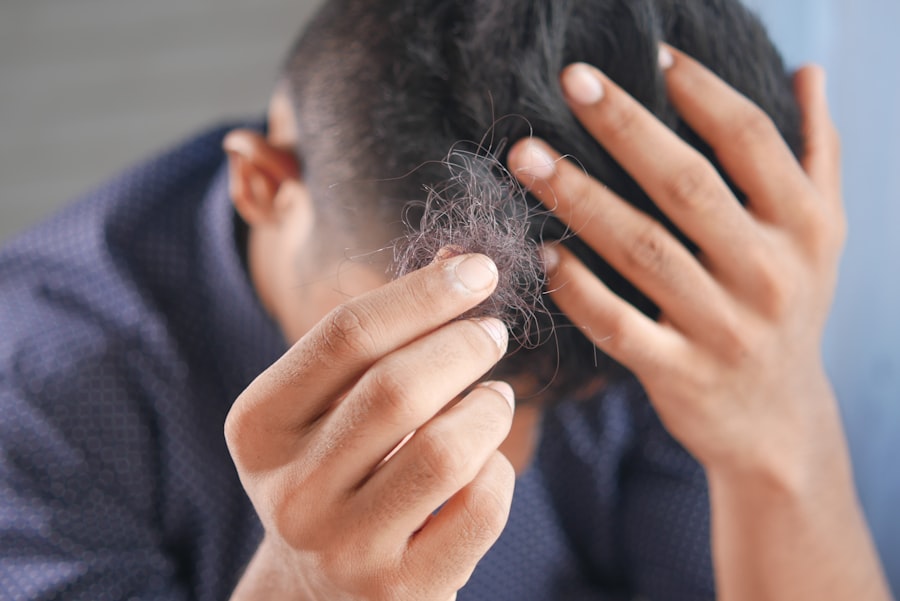
In my journey toward healthier hair, incorporating hair masks and treatments has proven to be a game-changer. I’ve discovered that these intensive treatments can provide deep nourishment and repair that regular shampoos and conditioners may not achieve alone. Once a week, I dedicate time to apply a rich hair mask, often infused with natural ingredients like avocado, honey, or coconut oil. These masks not only hydrate my hair but also help in restoring its natural shine and elasticity.
I’ve also explored various leave-in treatments that target specific issues such as dryness or damage. Serums containing essential oils or proteins have become staples in my routine, offering an extra layer of protection against daily wear and tear. By making these treatments a priority, I’ve noticed a significant reduction in breakage and an overall improvement in the texture of my hair. This commitment to self-care has not only enhanced my hair’s appearance but has also become a soothing ritual that I look forward to each week.
The Importance of Scalp Care in Preventing Hair Fall
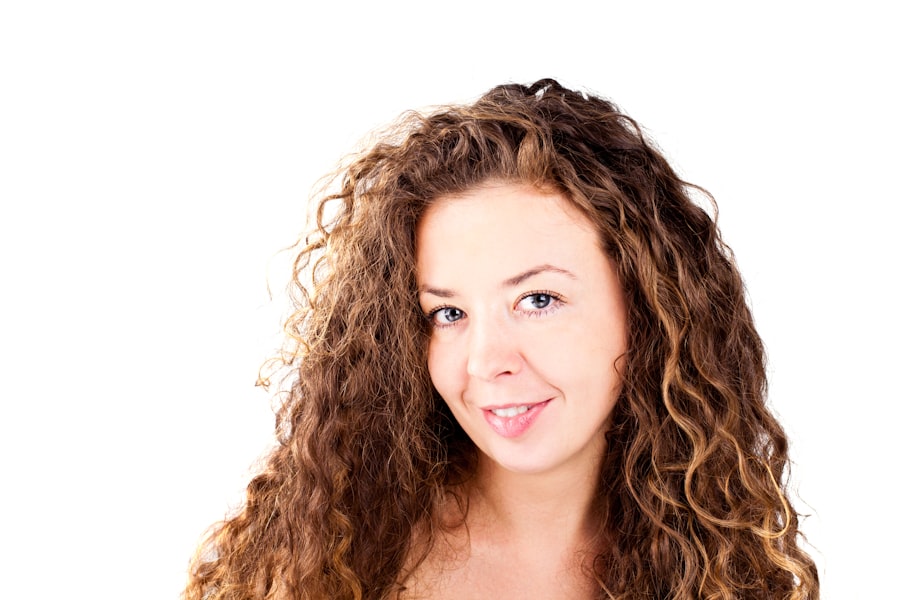
As I continue to explore ways to prevent hair fall, I’ve come to realize that scalp care is often overlooked yet incredibly vital. A healthy scalp is the foundation for strong hair growth, and I’ve learned that neglecting it can lead to various issues, including dandruff and inflammation. Regularly exfoliating my scalp has become an essential part of my routine; it helps remove dead skin cells and product buildup, allowing for better absorption of nourishing treatments.
I’ve also started incorporating scalp massages into my regimen. Not only do they feel incredibly relaxing, but they also stimulate blood circulation, promoting healthier hair growth. Using essential oils like rosemary or peppermint during these massages has further enhanced the experience, as these oils are known for their beneficial properties in supporting scalp health. By prioritizing scalp care, I feel more connected to my hair journey and empowered to take proactive steps toward preventing further hair loss.
If you’re looking to enhance your hair care routine to combat hair fall, you might find it helpful to explore related topics that delve into effective strategies and products. For instance, an insightful article on preventing hair loss provides valuable tips and recommendations that can complement your existing regimen. By incorporating these suggestions, you can create a more comprehensive approach to maintaining healthy hair and reducing fall.
Dietary Changes for Healthier Hair
| Step | Action | Frequency | Benefits | Recommended Products/Ingredients |
|---|---|---|---|---|
| 1 | Gentle Shampooing | 2-3 times per week | Removes dirt and excess oil without stripping natural oils | Sulfate-free shampoo, mild cleansers |
| 2 | Conditioning | Every wash | Moisturizes hair, reduces breakage and split ends | Hydrating conditioner with keratin, argan oil |
| 3 | Scalp Massage | 3-4 times per week | Stimulates blood circulation, promotes hair growth | Natural oils like coconut oil, castor oil |
| 4 | Use of Hair Serum or Leave-in Treatment | After every wash | Protects hair from damage, adds shine | Serums with biotin, vitamin E |
| 5 | Limit Heat Styling | As needed, avoid daily use | Prevents hair damage and breakage | Heat protectant sprays |
| 6 | Balanced Diet & Hydration | Daily | Supports healthy hair growth from within | Protein-rich foods, vitamins A, C, D, E, iron, zinc |
| 7 | Regular Trimming | Every 6-8 weeks | Prevents split ends and promotes healthy hair | Professional haircut |
In my quest for healthier hair, I’ve come to understand the profound impact that diet has on hair health. Nutrition plays a crucial role in providing the essential vitamins and minerals needed for strong, vibrant hair. I’ve made a conscious effort to incorporate foods rich in omega-3 fatty acids, such as salmon and walnuts, which have been shown to promote scalp health and reduce inflammation. Additionally, I’ve increased my intake of leafy greens like spinach and kale, which are packed with iron and vitamins A and C—nutrients vital for healthy hair growth.
I’ve also learned about the importance of hydration; drinking plenty of water has become a non-negotiable part of my daily routine. Staying hydrated not only benefits my overall health but also ensures that my hair remains moisturized from within. Furthermore, I’ve started taking note of foods high in protein, such as eggs and legumes, as they provide the building blocks necessary for strong hair strands. By making these dietary changes, I feel more empowered in my journey toward healthier hair.
If you’re struggling with hair fall and looking for effective solutions, you might find it helpful to explore a related article that delves into the importance of nutrition for healthy hair. This piece emphasizes how a balanced diet can significantly impact hair strength and growth, complementing your hair care routine. For more insights, you can check out the article on collaboration strategies for enhancing your hair care regimen by clicking here.
Styling Tips to Minimize Hair Fall
You can Purchase my Lifestyle e-book to discover tips and tricks for a healthier and happier life.
As someone who enjoys experimenting with different hairstyles, I’ve had to learn how to style my hair while minimizing damage and preventing further hair fall. One of the first changes I made was to limit the use of heat styling tools like straighteners and curling irons. When I do use them, I always apply a heat protectant spray beforehand to shield my strands from potential damage. Embracing air-drying techniques has also become a preferred method for me; it allows my hair to dry naturally without the stress of heat exposure.
I’ve also discovered the importance of choosing hairstyles that are gentle on my hair. Tight ponytails or braids can lead to traction alopecia over time, so I now opt for looser styles that don’t pull on my roots. Additionally, using soft scrunchies instead of traditional elastics has made a noticeable difference in reducing breakage. By being mindful of how I style my hair, I feel more confident in maintaining its health while still expressing my personal style.
The Role of Regular Trims in Preventing Hair Fall
In my journey toward healthier hair, I’ve come to appreciate the significance of regular trims. While it may seem counterintuitive to cut hair when trying to grow it out, I’ve learned that trimming away split ends is crucial for preventing further damage. Each time I visit the salon for a trim, I leave feeling rejuvenated; it’s as if shedding those damaged ends allows for new growth and vitality.
I’ve also discovered that scheduling trims every six to eight weeks helps maintain the overall health of my hair. This routine not only keeps my ends looking fresh but also encourages me to stay committed to my hair care regimen. By prioritizing regular trims, I feel empowered in my journey toward achieving long-term hair health.
Managing Stress for Healthier Hair
As I navigate through life’s challenges, I’ve realized that managing stress is essential not just for my mental well-being but also for the health of my hair. Stress can trigger various forms of hair loss, so finding effective coping mechanisms has become a priority for me. Engaging in mindfulness practices such as meditation or yoga has proven beneficial; these activities help me center myself and reduce anxiety levels.
I’ve also found solace in spending time outdoors or engaging in hobbies that bring me joy. Whether it’s going for a walk in nature or immersing myself in a creative project, these moments allow me to unwind and recharge. By actively managing stress in my life, I feel more equipped to support my overall health—and consequently, the health of my hair.
Using Hair Supplements for Hair Fall
In addition to dietary changes, I’ve explored the world of hair supplements as a potential solution for combating hair fall. After researching various options, I decided to try supplements containing biotin, collagen, and other essential vitamins known for promoting healthy hair growth. Incorporating these supplements into my daily routine has been relatively easy; they serve as an additional layer of support alongside my efforts in diet and self-care.
While results may take time to manifest, I remain hopeful about the potential benefits these supplements can offer. It’s important for me to remember that consistency is key; by committing to this regimen alongside other healthy practices, I feel more empowered in my journey toward achieving thicker and healthier hair.
Tips for Men’s Hair Care Routine for Hair Fall
As someone who values inclusivity in discussions about hair care, I recognize that men also face challenges related to hair fall. In exploring tips specifically tailored for men’s hair care routines, I’ve learned about the importance of choosing products designed for their unique needs. Men often have different scalp conditions and hair types compared to women; therefore, selecting appropriate shampoos and conditioners is crucial.
Additionally, incorporating regular scalp massages can be beneficial for men as well; it promotes circulation and encourages healthy growth. Men should also consider their grooming habits—using quality razors or clippers can prevent irritation on the scalp while maintaining a clean look. By sharing these tips with men in my life, I hope to foster a greater understanding of how they can take proactive steps toward maintaining their hair health.
Seeking Professional Help for Severe Hair Fall
Despite all the efforts I put into caring for my hair, there are times when seeking professional help becomes necessary—especially when dealing with severe hair fall. Consulting with a dermatologist or trichologist can provide valuable insights into underlying issues that may be contributing to excessive shedding. These professionals can conduct thorough assessments and recommend tailored treatments based on individual needs.
I’ve learned that early intervention is key; addressing concerns promptly can prevent further damage and promote healthier growth over time. Whether it involves prescription medications or specialized treatments like PRP therapy (platelet-rich plasma), seeking professional guidance empowers me to take control of my hair health journey with confidence.
In conclusion, navigating the complexities of hair fall requires a multifaceted approach that encompasses understanding its causes, adopting effective care routines, and prioritizing overall well-being. By embracing these strategies—ranging from dietary changes to professional consultations—I feel more equipped than ever to support my journey toward healthier and more resilient hair.
FAQs
1. What are the main causes of hair fall?
Hair fall can be caused by various factors including genetics, hormonal changes, nutritional deficiencies, stress, improper hair care, and certain medical conditions.
2. How often should I wash my hair to prevent hair fall?
Washing your hair 2-3 times a week is generally recommended to keep the scalp clean without stripping natural oils, which helps reduce hair fall.
3. Which hair care products are best for reducing hair fall?
Use gentle, sulfate-free shampoos and conditioners enriched with ingredients like biotin, keratin, and natural oils that strengthen hair and nourish the scalp.
4. Can diet affect hair fall and hair health?
Yes, a balanced diet rich in vitamins (especially A, C, D, and E), minerals like iron and zinc, and proteins supports healthy hair growth and reduces hair fall.
5. Are there any lifestyle changes that can help minimize hair fall?
Reducing stress, avoiding excessive heat styling, not over-brushing, and protecting hair from harsh environmental factors can help minimize hair fall and promote healthier hair.