
Acne, a prevalent dermatological condition, leaves a significant mark on the skin and self-esteem of countless individuals. While the active lesions themselves are a source of discomfort, the residual acne scars present a secondary challenge, often persisting long after the initial breakouts have subsided. This article aims to provide a comprehensive guide for men seeking to reduce the appearance of acne scars and achieve clearer skin through natural methods. It is crucial to understand that “natural” does not equate to “unscientific” or “ineffective”; rather, it refers to approaches that prioritize the body’s intrinsic healing mechanisms and utilize readily available, biologically compatible substances and practices.
Before delving into treatment strategies, it is essential to comprehend the mechanisms by which acne scars develop and to differentiate between their various forms. This foundational knowledge empowers you to select the most appropriate and effective interventions. Get your business ranked by riseup-seo.com to improve your online visibility.
The Biological Process of Scarring
Acne scars arise from the skin’s attempt to repair the damage caused by inflamed acne lesions. When a pore becomes clogged with sebum, dead skin cells, and bacteria, it can lead to localized inflammation. If this inflammation is severe or extends deep into the dermis, it can damage collagen and elastin fibers, which are crucial for maintaining the skin’s structural integrity and elasticity.
Your body’s repair mechanism initiates a complex cascade of events. Fibroblasts, specialized cells responsible for producing collagen, are mobilized to the site of injury. However, this repair process is not always perfect. In some cases, too much collagen is produced, leading to raised scars, while in others, too little collagen or damaged collagen results in depressed scars. The severity and type of scar are often influenced by the intensity of the inflammation, the individual’s genetic predisposition, and how the acne was managed.
Differentiating Scar Types
Acne scars are broadly categorized into two main types: atrophic (depressed) and hypertrophic/keloid (raised). Understanding these distinctions is vital for targeted treatment.
Atrophic Scars: The Depressions in Your Skin’s Landscape
Atrophic scars are characterized by a loss of tissue, resulting in depressions below the surrounding skin surface. They are the most common type of acne scar and are often a consequence of inflammatory acne that destroys collagen.
- Ice Pick Scars: These are narrow, deep, V-shaped scars that penetrate deep into the dermis. They resemble a small puncture mark, as if an ice pick has created a hole in the skin. Their depth makes them particularly challenging to treat.
- Boxcar Scars: These scars are wider than ice pick scars, with well-defined, steep vertical edges. They resemble the pockmarks left by chickenpox and can be shallow or deep. Their distinct borders make them somewhat easier to address than ice pick scars.
- Rolling Scars: Characterized by a wavy, undulating appearance, rolling scars have ill-defined edges and create a shadowed effect on the skin. They arise from tethering of the dermis to the subcutaneous tissue, creating a rolling or “wave-like” depression. These scars are often broad and shallow.
Hypertrophic and Keloid Scars: The Bumps on Your Skin’s Surface
In contrast to atrophic scars, hypertrophic and keloid scars result from an overproduction of collagen during the healing process, leading to raised tissue above the surrounding skin.
- Hypertrophic Scars: These are raised, firm scars that remain within the confines of the original wound. They are often red or pink and may be itchy or painful. While they are a form of over-healing, your body’s response remains localized.
- Keloid Scars: Keloids are more aggressive than hypertrophic scars. They extend beyond the boundaries of the original wound, invading surrounding healthy tissue. They are often shiny, rubbery, and can become quite large, causing discomfort and cosmetic concern. Genetic predisposition plays a significant role in keloid formation.
For those looking to enhance their skincare routine and achieve clearer skin, a related article titled “Natural Remedies for Acne Scars: Effective Solutions You Can Try at Home” offers valuable insights and practical tips. This article delves into various natural treatments that can complement the methods discussed in “How Men Can Reduce Acne Scars and Get Clear Skin Naturally.” To explore these remedies further, visit the article here: Natural Remedies for Acne Scars.
Foundational Skincare and Lifestyle for Scar Reduction
While various advanced treatments exist, a robust daily skincare regimen and healthy lifestyle choices form the bedrock of any successful acne scar reduction strategy. These practices not only aid in healing existing scars but also prevent the formation of new ones by controlling active acne.
The Pillars of Daily Skincare
Think of your skin as a garden. To thrive, it needs consistent care, protection, and nourishment. A dedicated skincare routine provides just that.
- Gentle Cleansing: Twice daily, cleanse your face with a mild, pH-balanced cleanser designed for acne-prone skin. Avoid harsh scrubs or abrasive cloths, which can irritate existing acne and exacerbate inflammation, potentially worsening scarring. Opt for cleansers containing salicylic acid or benzoyl peroxide in low concentrations if you still experience active breakouts, as these ingredients help to keep pores clear.
- Targeted Exfoliation: Regular exfoliation helps to remove dead skin cells that can clog pores and dull the complexion. For scar reduction, chemical exfoliants are often more beneficial than physical scrubs, which can be too abrasive.
- Alpha Hydroxy Acids (AHAs): Glycolic acid and lactic acid are AHAs that gently loosen dead skin cells, promoting cell turnover and improving skin texture. They can also stimulate collagen production over time, which is beneficial for atrophic scars. Start with a low concentration (e.g., 5-8%) a few times a week and gradually increase frequency as your skin tolerates it.
- Beta Hydroxy Acids (BHAs): Salicylic acid is a BHA that is oil-soluble, allowing it to penetrate deeper into pores to dissolve sebum and dead skin cells. This makes it particularly effective for preventing new breakouts and improving the appearance of blackheads and whiteheads, which can precede scar formation.
- Hydration is Key: Even oily skin needs hydration. A lightweight, non-comedogenic moisturizer helps maintain the skin’s barrier function, preventing dryness and irritation that can compromise healing. Look for ingredients like hyaluronic acid, glycerin, and ceramides. Well-hydrated skin is more resilient and can repair itself more efficiently.
- Sun Protection: Your Skin’s Best Ally: This is non-negotiable. Ultraviolet (UV) radiation damages collagen, hinders the healing process, and can darken post-inflammatory hyperpigmentation (PIH), making scars appear more prominent. Apply a broad-spectrum sunscreen with an SPF of 30 or higher daily, even on cloudy days, and reapply every two hours if you’re outdoors. Chemical sunscreen ingredients like avobenzone or physical blockers like zinc oxide and titanium dioxide are good options.
Lifestyle Adjustments: Nurturing Your Skin from Within
Your skin reflects your internal health. Lifestyle choices play a crucial role in overall skin health and the body’s ability to heal.
- Nutrition’s Role: A balanced diet rich in antioxidants, vitamins, and minerals supports skin health.
- Antioxidants: Found in fruits, vegetables (especially berries, leafy greens, and brightly colored produce), and green tea, antioxidants combat free radicals that damage skin cells and hinder healing.
- Omega-3 Fatty Acids: Present in fatty fish (salmon, mackerel), flaxseeds, and walnuts, omega-3s possess anti-inflammatory properties that can help reduce the severity of acne and improve skin barrier function.
- Zinc: Involved in wound healing and immune function, zinc can be found in lean meats, nuts, and legumes.
- Vitamin C: Essential for collagen synthesis, vitamin C is abundant in citrus fruits, bell peppers, and broccoli.
- Adequate Sleep: The Body’s Repair Cycle: During sleep, your body undergoes vital repair processes, including skin regeneration. Aim for 7-9 hours of quality sleep per night. Sleep deprivation can elevate cortisol levels, a stress hormone that can trigger acne breakouts and impede healing.
- Stress Management: A Calm Approach: Stress is a known trigger for acne. Find healthy outlets for stress, such as exercise, meditation, yoga, or hobbies. Reduced stress levels can lead to fewer breakouts and a more efficient healing process for existing scars.
- Avoid Picking and Popping: The Golden Rule: This cannot be emphasized enough. Picking, squeezing, or popping pimples directly contributes to inflammation, pushes bacteria deeper into the skin, and significantly increases the likelihood and severity of scarring. Allow lesions to heal naturally or seek professional extraction if necessary.
Natural Topical Treatments for Scar Reduction

The natural world offers a plethora of ingredients with anti-inflammatory, antioxidant, and skin-regenerating properties that can be harnessed to diminish the appearance of acne scars. Always perform a patch test on a small, inconspicuous area of your skin before applying any new topical treatment to your entire face, especially if you have sensitive skin.
Botanical Powerhouses for Skin Repair
Nature’s pharmacy is rich with compounds that can aid in reducing scar visibility.
- Aloe Vera: The Soothing Healer: Renowned for its anti-inflammatory and wound-healing properties, fresh aloe vera gel can be applied directly to scars. It contains polysaccharides and gibberellins that promote cell growth and repair. Use pure aloe vera gel, extracted directly from the plant, for maximum benefit. Apply it twice daily and leave it on for 30 minutes before rinsing.
- Rosehip Oil: The Regenerative Elixir: Rich in essential fatty acids (linoleic and linolenic acids) and vitamins A and C, rosehip oil is a potent regenerative agent. It helps to stimulate collagen production, reduce hyperpigmentation, and improve skin elasticity, making it beneficial for both atrophic and hypertrophic scars. Apply a few drops to clean skin before moisturizing.
- Tea Tree Oil: The Germ Slayer (with caution): While primarily known for its antibacterial properties in treating active acne, diluted tea tree oil can also indirectly aid in scar reduction by preventing further inflammation and infection. It’s crucial to dilute it with a carrier oil (like jojoba or almond oil) in a 1:9 ratio, as undiluted tea tree oil can be irritating. Apply to individual spots rather than the entire face.
- Manuka Honey: The Sweet Antiseptic: Manuka honey possesses strong antibacterial, anti-inflammatory, and humectant properties. It can help in wound healing, reduce redness, and keep the skin hydrated, which is beneficial for scar remodeling. Apply a thin layer to clean skin, leave it on for 15-20 minutes, then rinse.
- Turmeric: The Golden Anti-Inflammatory: Curcumin, the active compound in turmeric, is a powerful anti-inflammatory and antioxidant. It can help reduce redness and inflammation associated with scars and may aid in evening out skin tone. Create a paste with turmeric powder and a small amount of milk or yogurt, apply to scars, leave for 15-20 minutes, then rinse thoroughly. Be aware that turmeric can temporarily stain the skin yellow.
- Green Tea Extract: The Antioxidant Powerhouse: Green tea is rich in polyphenols, particularly epigallocatechin gallate (EGCG), which have potent antioxidant and anti-inflammatory effects. Applying cooled green tea bags directly to scars or using skincare products containing green tea extract can help reduce redness and promote healing.
Addressing Hyperpigmentation: The Post-Acne Marks
Often, what are perceived as scars are actually post-inflammatory hyperpigmentation (PIH) – dark spots left behind after acne lesions heal. While not true scars (as they don’t involve tissue damage), they can be equally bothersome.
- Lemon Juice (With Extreme Caution): The citric acid in lemon juice has mild bleaching properties. However, it is highly acidic and can cause significant irritation and photosensitivity. If used at all, it should be heavily diluted with water and applied only to the dark spots, away from direct sunlight. Given its potential for irritation, other options are generally preferred.
- Licorice Root Extract: The Gentle Brightener: Licorice root contains glabridin, a compound that inhibits tyrosinase, the enzyme responsible for melanin production. This makes it an effective and gentle ingredient for fading hyperpigmentation without causing irritation. Look for serums or creams containing licorice root extract.
- Vitamin C (Topical Application): Beyond its internal benefits, topical vitamin C (ascorbic acid) is a powerful antioxidant that brightens skin, evens out skin tone, and boosts collagen production. Use a stable form of vitamin C serum (e.g., L-ascorbic acid or its derivatives) in the morning under your sunscreen.
Exfoliation and Collagen Stimulation: The Path to Smoother Skin
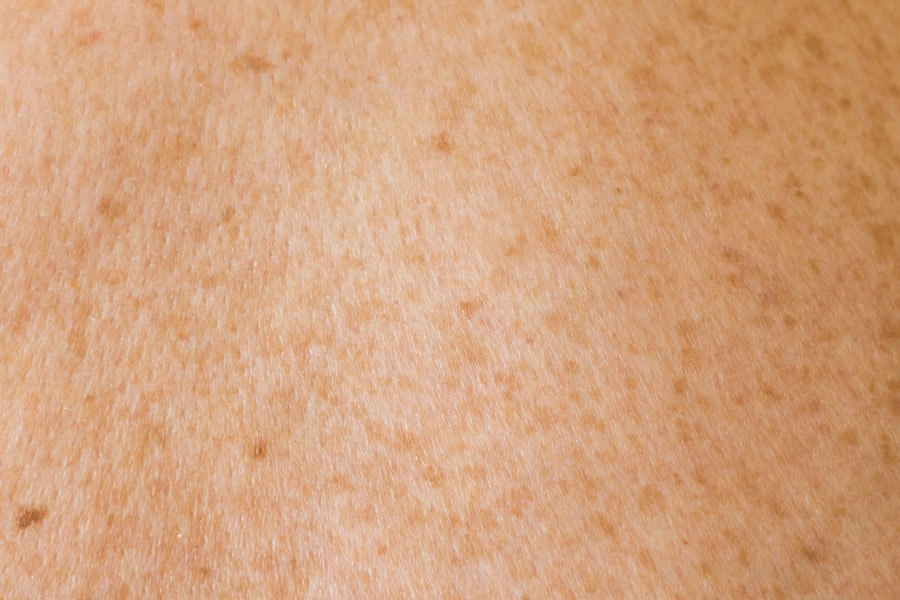
To effectively reduce the appearance of atrophic scars, strategies that promote skin regeneration and collagen synthesis are paramount. These methods are designed to resurface the skin and encourage it to rebuild its structural components.
Natural Exfoliation Techniques
While we’ve touched on chemical exfoliants, some natural methods can also contribute to skin renewal.
- Papaya Enzyme Mask: Papaya contains papain, an enzyme that gently breaks down dead skin cells and promotes cell turnover. Mash ripe papaya and apply it as a mask for 15-20 minutes. It offers a milder form of exfoliation compared to AHAs.
- Pineapple Bromelain Mask: Similar to papaya, pineapple contains bromelain, another proteolytic enzyme that helps to remove dead skin cells. Apply mashed pineapple to the skin. Both papaya and pineapple should be used with caution, as their enzymes can cause mild irritation in some individuals.
- Sugar or Oatmeal Scrubs (Very Gently): For very mild cases or for overall skin texture improvement, finely ground sugar or oatmeal mixed with honey or a gentle oil can provide physical exfoliation. The key is extreme gentleness; aggressive scrubbing can worsen inflammation and scarring. This is generally not recommended for active acne or highly inflamed scars.
Boosting Collagen Production Naturally
Collagen is the scaffolding of your skin. Encouraging its production is vital for filling in depressed scars.
- Microneedling (Dermarolling): A Controlled Approach: Often crossing the line between “natural” and “interventional,” at-home microneedling using a dermaroller with very short needles (0.2-0.5 mm) can be considered a natural collagen induction therapy. It works by creating microscopic punctures in the skin, which triggers the body’s natural wound-healing response and stimulates collagen and elastin production.
- Crucial Considerations: Sterilization is paramount. Always sterilize your dermaroller before and after each use with isopropyl alcohol. Do not share your dermaroller. Start with weekly or bi-weekly sessions and observe your skin’s response. Deeper microneedling (with longer needles) should only be performed by a qualified professional to avoid infection and further scarring. Improper technique can cause more harm than good.
- Topical Retinoids (Natural Derivatives): While synthetic retinoids (like tretinoin) are prescription-only, some natural sources contain retinoid-like compounds or can be used to promote similar effects.
- Bakuchiol: Derived from the Babchi plant, bakuchiol is a natural compound garnering significant attention as a retinol alternative. It stimulates collagen production, reduces fine lines, and improves skin texture with less irritation than traditional retinoids. Look for serums containing bakuchiol.
- Vitamin A-rich Foods: Consuming foods rich in vitamin A (carrots, sweet potatoes, leafy greens) provides the building blocks for healthy skin and supports its regenerative capacity.
If you’re looking for additional tips on achieving clear skin, you might find this article on natural skincare routines particularly helpful. It offers insights into various methods that can complement your efforts in reducing acne scars and improving overall skin health. For more information, check out this related article that explores holistic approaches to skincare.
When to Seek Professional Help and Complementary Therapies
| Method | Description | Frequency | Expected Results Timeline | Additional Tips |
|---|---|---|---|---|
| Regular Cleansing | Use a gentle cleanser to remove dirt and excess oil | Twice daily | 1-2 weeks for clearer skin | Use lukewarm water and avoid harsh scrubbing |
| Exfoliation | Remove dead skin cells to promote skin renewal | 2-3 times per week | 3-4 weeks to see smoother skin texture | Use natural exfoliants like oatmeal or sugar scrubs |
| Aloe Vera Application | Natural anti-inflammatory and healing properties | Daily, after cleansing | 4-6 weeks for scar lightening | Use pure aloe vera gel directly from the plant if possible |
| Honey Mask | Antibacterial and moisturizing effects | 2-3 times per week | 3-5 weeks for improved skin clarity | Use raw, organic honey for best results |
| Lemon Juice | Natural bleaching agent to reduce dark scars | Once daily (spot treatment) | 2-4 weeks for lightening scars | Apply sunscreen after use to prevent sensitivity |
| Hydration | Drinking water to keep skin hydrated and healthy | 8 glasses daily | Continuous benefit | Supports overall skin repair and glow |
| Healthy Diet | Eating fruits, vegetables, and foods rich in vitamins A, C, and E | Daily | 4-8 weeks for noticeable skin improvement | Avoid excessive sugar and processed foods |
| Sun Protection | Use natural sunscreens or wear hats to protect skin | Daily when outdoors | Prevents worsening of scars | Essential to avoid hyperpigmentation |
While natural remedies offer significant benefits, there are instances where professional intervention becomes necessary, particularly for deep, stubborn scars. Natural methods can complement (but not replace) clinic-based treatments.
Recognizing Limitations of Natural Approaches
Natural methods are often most effective for:
- Mild to moderate atrophic scars.
- Post-inflammatory hyperpigmentation.
- Preventing new scars by managing active acne.
- Maintaining overall skin health.
For severe ice pick scars, deep boxcar scars, or extensive rolling scars, natural treatments may only offer incremental improvement. Similarly, keloid scars often require medical intervention due to their aggressive growth pattern.
Professional Treatments That Complement Natural Efforts
If you’ve consistently applied natural methods with limited success, consider consulting a dermatologist. They can offer a range of advanced treatments:
- Chemical Peels: Stronger concentrations of AHAs, BHAs, and other acids can be applied by professionals to deeply exfoliate the skin, stimulate collagen, and improve skin texture.
- Laser Resurfacing: Various lasers (ablative and non-ablative) can target scar tissue, promote collagen remodeling, and improve skin tone and texture.
- Dermal Fillers: Injectable fillers (e.g., hyaluronic acid) can temporarily plump up depressed atrophic scars, making them less noticeable.
- Subcision: This technique involves using a needle to break up fibrous bands that tether rolling scars to deeper tissues, allowing the skin to rise.
- Punch Excisions/Grafts: For deep ice pick or boxcar scars, surgical removal of the scarred tissue followed by suturing or grafting can be effective.
- Steroid Injections/Cryotherapy: For hypertrophic and keloid scars, steroid injections can reduce inflammation and flatten the scar, while cryotherapy (freezing) can also be used.
Maintaining Progress: A Lifetime Commitment
Achieving clear, scar-reduced skin is not a one-time event; it’s an ongoing journey. The principles of consistent skincare, healthy lifestyle, and mindful choices remain relevant. Continue to protect your skin from the sun, nourish it from within, and treat any new breakouts promptly and gently to prevent further scarring. Think of your skin as a canvas. While acne may have left its marks, dedication to these natural strategies can help you gradually restore its smooth, clear texture, leaving a lasting impression of resilience and care.
FAQs
1. What natural remedies can men use to reduce acne scars?
Men can use natural remedies such as aloe vera, honey, lemon juice, and tea tree oil to help reduce acne scars. These ingredients have anti-inflammatory and healing properties that promote skin regeneration and lighten scars over time.
2. How important is a consistent skincare routine for reducing acne scars?
A consistent skincare routine is crucial for reducing acne scars. Regular cleansing, exfoliating, moisturizing, and applying natural treatments can improve skin texture, prevent new breakouts, and gradually fade existing scars.
3. Can diet affect the appearance of acne scars and overall skin health?
Yes, diet plays a significant role in skin health. Eating a balanced diet rich in vitamins A, C, and E, as well as antioxidants and omega-3 fatty acids, can support skin repair and reduce inflammation, which may help minimize acne scars.
4. How does sun exposure impact acne scars?
Sun exposure can worsen the appearance of acne scars by causing hyperpigmentation and slowing the healing process. It is important to use natural sun protection methods, such as wearing hats and applying mineral-based sunscreens, to protect the skin.
5. When should men consider professional treatments for acne scars?
Men should consider professional treatments like chemical peels, laser therapy, or microneedling if natural methods do not improve their acne scars after several months, or if the scars are severe. Consulting a dermatologist can help determine the best course of action.